Discover Unique Gifts and Festive Décor at 2025 Christmas Markets: A Comprehensive Guide
Highlights
- Explore vibrant Christmas markets that blend traditional charm with contemporary innovations this 2025 season.
- Engage in cultural activities and support local artisans while enjoying festive holiday experiences.
Summary
The 2025 Christmas markets continue a centuries-old tradition of festive seasonal fairs, offering visitors around the world unique opportunities to discover handcrafted gifts, artisanal foods, and enchanting holiday décor. Originating in medieval Europe—most notably in German-speaking regions such as Vienna, Dresden, and Nuremberg—these markets have evolved into vibrant cultural events that blend commerce, community, and celebration. Today, they attract millions annually, transforming city squares and historic centers into winter wonderlands that celebrate local craftsmanship, culinary delights, and festive entertainment.
The 2025 season showcases a diverse range of markets spanning Europe, North America, and Asia, each reflecting a blend of traditional charm and contemporary innovations. European markets like Strasbourg and Tallinn maintain their historical roots with elaborate lighting, grand Christmas trees, and centuries-old customs, while American markets in cities such as Chicago, Atlanta, and Bethlehem incorporate German-inspired elements alongside regional flavors and artisanal products. Asian cities including Tokyo and Singapore have also embraced the Christmas market format, adding local cultural twists to the festive experience.
Beyond shopping, 2025 markets emphasize immersive cultural activities and community engagement. Visitors can enjoy live music, traditional performances, and interactive workshops, with many markets highlighting Indigenous artisans, sustainability initiatives, and charitable collaborations. These efforts not only enrich the festive ambiance but also reflect a growing commitment to social responsibility and environmental consciousness within the holiday market scene.
Economically, Christmas markets remain significant drivers of local tourism and small business support. Major markets like Strasbourg generate hundreds of millions in revenue annually, sustaining artisan trades and cultural heritage while attracting global visitors. The continued popularity and expansion of Christmas markets underscore their enduring appeal as festive hubs where commerce, culture, and community converge during the holiday season.
History of Christmas Markets
Christmas markets trace their origins to medieval Europe, with the earliest known references dating back to Vienna in 1296, when Duke Albrecht I authorized 14-day fairs held in December. These markets initially served a mercantile function, providing townspeople with opportunities to purchase seasonal goods and prepare for the upcoming holiday festivities. Early mentions of similar “December markets” are found in cities such as Munich (1310), Bautzen (1384), and Frankfurt (1393), illustrating the widespread adoption of this tradition across the German-speaking regions of Europe.
One of the oldest continually operating Christmas markets is Dresden’s Striezelmarkt, first documented in 1434 during the reign of Frederick II of Saxony. Originally called a “December market,” it evolved into what became known as the Christkindlmarkt (“Christ Child market”) during the Reformation, as part of efforts to shift away from saint veneration. Alongside Dresden, the Nuremberg Christkindlesmarkt, dating to at least 1628, is another seminal example of this long-standing tradition.
Christmas markets, while predominantly rooted in German culture, spread beyond Germany to other German-speaking areas such as Switzerland, Austria, and parts of northern Italy and France, especially those territories that were once part of the Holy Roman Empire. These markets have played a significant cultural role, fostering a communal holiday spirit through their sights, sounds, and aromas, such as festive music and the smell of roasted chestnuts.
Over the centuries, Christmas markets have adapted to various social and political changes, reflecting broader cultural shifts from the industrial revolution to modern times. Today, the tradition has evolved into a global phenomenon, with markets inspired by the German originals now found across the world, maintaining their essential blend of commerce, culture, and celebration.
Overview of 2025 Christmas Markets
The 2025 Christmas market season offers a rich tapestry of festive experiences across the globe, blending traditional European charm with local cultural flavors. In the United States, markets such as the Bavarian-style Christmas market in Atlanta’s Buckhead Village District bring a distinctly European atmosphere to the South, featuring German food, artisan stalls, and live festive music under twinkling lights. Similarly, Bethlehem, Pennsylvania, famously known as Christmas City, hosts its Christkindlmarkt inspired by Germany’s Nuremberg market, drawing visitors into a winter wonderland complete with artisan gifts, carolers, and traditional holiday decorations. Chicago continues its homage to German traditions with the Christkindlmarket held at multiple locations, offering bratwurst, mulled wine, and handcrafted ornaments alongside live entertainment.
Europe remains the heartland of Christmas markets, with Strasbourg’s market being one of the continent’s oldest and most celebrated. Originating in 1570, Strasbourg’s event spans over ten locations, illuminating the city with thousands of lights and festive stalls selling decorations, local Alsatian wines, and artisanal products. The Great Christmas Tree at Place Kleber is a highlight, drawing over two million visitors annually. Nearby, the Winter Wonders festival in Brussels transforms multiple city squares into a sprawling holiday celebration that blends market shopping with cultural festivities. Other notable European markets include Tallinn’s Christmas Market in Estonia, renowned for its historic Christmas tree dating back to 1441 and its blend of traditional Estonian cuisine and handcrafted goods, complemented by live performances and festive rides.
The spread of Christmas markets has also reached Asia, where cities like Tokyo, Seoul, and Singapore host large European-style markets infused with local twists, illustrating the global appeal of this festive tradition. Overall, the 2025 Christmas markets promise a diverse range of experiences—from the fairy-tale charm of Strasbourg and the historic grandeur of Dresden to the warm, community-driven celebrations in American towns—offering visitors numerous opportunities to enjoy unique gifts, festive décor, and seasonal culinary delights.
Unique Gifts and Artisan Products at 2025 Markets
The 2025 Christmas markets present an extraordinary array of unique gifts and artisan products, showcasing the creativity and craftsmanship of local and regional makers across various regions. These markets offer visitors an opportunity to find distinctive handcrafted items, ranging from jewelry and clothing to home décor and gourmet foods.
Many markets emphasize handmade and artisanal products. For instance, the Chicago Artisan Market highlights the Midwest’s best handcrafted gifts such as custom-made jewelry, artisanal candles and bath products, handcrafted toys, and original artworks. Similarly, the Brooklyn Navy Yard event features over 150 local vendors presenting handmade clothing, accessories, home décor, and artisanal foods, complemented by family-friendly workshops and entertainment.
In Canada, the Adàwàning: Indigenous Women’s Art Market at the National Arts Centre offers unique gifts crafted by Métis, Inuit, and First Nations artisans. Visitors can browse beadwork, moccasins, paintings, sculptures, and jewelry while gaining insights into Indigenous cultures through these artistic expressions. Likewise, the Glebe Craft and Artisan Fair showcases over 200 artisans and makers offering body care, ceramics, jewelry, clothing, and more, cementing its status as a local holiday tradition.
The markets also celebrate creativity in craft-making, with opportunities to purchase personalized items such as laser-cut acrylic Christmas tree place cards that add an elegant touch to holiday settings. Small, custom-made holiday items like stickers and knitted scarves remain popular for their charm and uniqueness, perfect as gifts or festive decorations.
Many markets offer a rich selection of festive treats and specialty foods. The Advent Village in Alsace, for example, focuses on local gourmet products including homemade preserves, chocolates, traditional biscuits, and biodynamic wines. Similarly, the Tallinn Christmas Market is renowned for its artisanal gingerbread and an impressive variety of mulled wines, enhancing the sensory holiday experience.
European-inspired markets, such as the German-themed event in Carmel, showcase traditional foods like Handbrot and Kartoffelpuffer alongside handmade gifts and live music, providing a culturally immersive shopping experience. Classic festive items such as carved Nutcrackers, candied almonds, and soft gingerbread remain staple offerings at many venues, alongside warm beverages like Glühwein and Eierpunsch, beloved by visitors.
In urban settings, markets like those near the New York Public Library feature “jewel box” kiosks selling a wide range of artisan products including artist-designed knit blankets made from natural fibers, holiday decorations, original artwork, and gourmet treats. Meanwhile, the Distillery Winter Village in Toronto’s historic district combines outdoor shopping cabins with food vendors, festive drinks, and themed entertainment inspired by literary classics, ensuring a comprehensive holiday experience.
Festive Décor and Ambiance
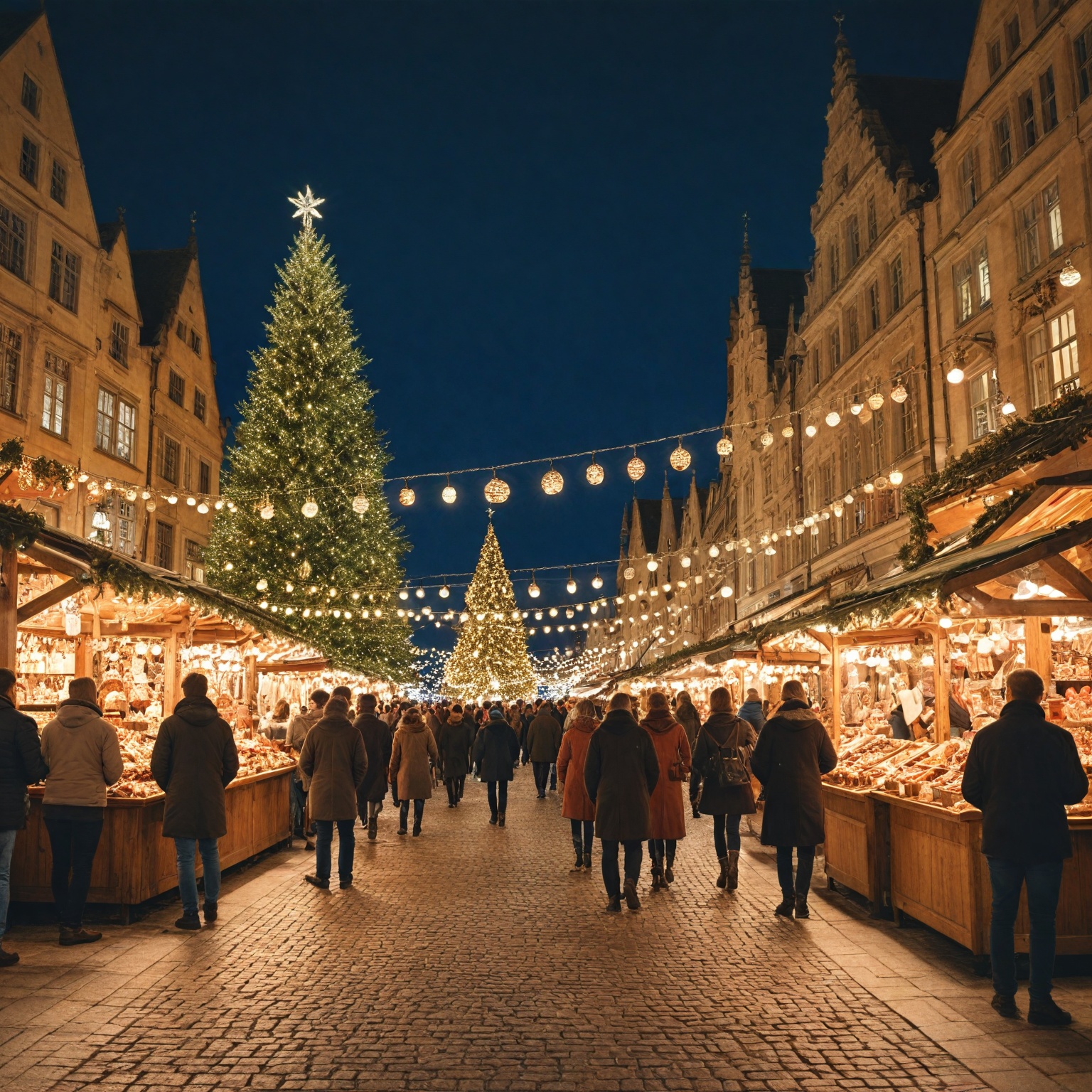
Christmas markets in 2025 continue to captivate visitors with their enchanting festive décor and vibrant ambiance, creating immersive winter wonderlands that embody the spirit of the holiday season. Central to many markets is the presence of grand Christmas trees, such as the magnificent 14-metre tree from Kohila showcased at the centuries-old Town Hall, which is complemented by cosy, light-filled chalet-style stalls offering authentic flavors and heartfelt gifts. These markets are often set against historic or architecturally significant backdrops, enhancing the magical atmosphere; for example, Krakow’s Christmas Market features the stunning St. Mary’s Basilica, while Strasbourg transforms over 250 streets and public spaces with elaborate lighting and decoration, illuminating the city’s rich tradition of craftsmanship and creativity.
The ambiance is further enriched by the combination of sights, sounds, and scents that evoke nostalgia and festive cheer. Visitors are serenaded by choral ensembles and brass quartets, whose harmonious performances blend seamlessly with the bustling candlelit stalls filled with roasted chestnuts, gingerbread hearts, and sugared almonds. The aromatic presence of mulled wine, hot chocolate, and traditional delicacies like currywurst and artisanal foods waft through the crisp winter air, inviting revellers to savor both the moment and the flavors of the season.
Markets also emphasize local artistry and sustainability, showcasing creations by local designers and Indigenous artisans, thus infusing the festive décor with unique cultural significance and craftsmanship. Interactive experiences and innovative lighting designs enhance navigation and visitor engagement, allowing each market to offer a personalized festive journey tailored to diverse tastes. This rich sensory and cultural tapestry makes Christmas markets not just places to shop, but immersive celebrations of the holiday spirit brought to life through thoughtful décor and lively ambiance.
Cultural Activities and Entertainment
Christmas markets in 2025 offer a rich variety of cultural activities and entertainment that enhance the festive shopping experience. Many markets blend traditional customs with lively performances and interactive features, creating immersive environments for visitors of all ages.
In European cities such as Tallinn, Estonia, the Christmas Market held in the city’s Town Hall Square features festive attractions including carousels, a winter grotto, and stalls selling traditional Estonian cuisine and handicrafts. Visitors can enjoy storytelling sessions, participate in a Christmas parade, and experience the unique Caga Tió tradition, where a large piñata-style Christmas log is beaten to release candy and gifts. Similarly, in southern Germany and Austria, Christkindlmarkts are accompanied by traditional singing and dancing, and often feature an opening night appearance of the Christkind, an angel-like figure portrayed by a local child, continuing a centuries-old tradition.
In the United States, holiday markets incorporate live music, crafts, and family-friendly activities that foster a vibrant community atmosphere. For example, the Chicago Artisan Market, held indoors at the Washington Park Refectory, combines live musical performances with artisanal food offerings and the opportunity to engage directly with the craftsmen behind the handmade gifts. The Greenville Christmas Market, set in the elegant Grand Bohemian Lodge, provides local artisanal vendor stalls alongside live caroling and photos with Santa, blending shopping with joyful entertainment. The Holiday Pop-Up Market in Raleigh offers art, vintage finds, festive adult beverages, and free admission, making it a lively venue for small business celebration.
Specialized cultural events also highlight Indigenous artistry and traditions. The Adàwàning: Indigenous Women’s Art Market at the National Arts Centre showcases beadwork, moccasins, paintings, sculptures, and jewelry from Métis, Inuit, and First Nations artisans, alongside educational opportunities to learn about Indigenous cultures through art.
Larger themed markets bring fantastical elements and seasonal spectacles to life. Hyde Park Winter Wonderland in London returns in 2025 with over 150 rides and attractions, including the UK’s largest open-air ice rink and a 70-metre Giant Wheel. This year’s theme, “The Magical Ice Kingdom: A Mystical, Mythical Fantasy World,” features over 500 tonnes of ice and snow sculpted into the Four Realms of Earth, Fire, Air, and Water, providing visitors with an enchanting, multi-sensory experience.
Other markets incorporate interactive workshops and holiday-themed crafts to engage visitors creatively. In Brooklyn, the Wallabout Workshop offers a “Sip & Sweater Edition,” allowing participants to design their own ugly holiday sweaters with guidance from local artists, while markets near the New York Public Library present a European-style village with artisan vendors and food stalls, complemented by festive entertainment.
Collaborations and Initiatives in 2025
The 2025 Christmas markets across Europe and North America have embraced collaborations and initiatives that emphasize local craftsmanship, sustainability, and community engagement. Strasbourg, for example, highlights local creativity and craftsmanship during its Christmas market, where artisans, designers, and independent producers showcase unique, sustainable, and poetic creations. The city also fosters a human-scale experience through community actions, local initiatives, and collective projects, creating a vibrant atmosphere for both residents and visitors alike. Additionally, Strasbourg’s market incorporates charitable programs that support local communities, underscoring a strong commitment to social responsibility.
In Tallinn, the Christmas market held from November 21 to December 28, 2025, is renowned for its sustainability efforts and dedication to local artisans. Set against the medieval Old Town, this market focuses on promoting environmentally conscious practices while celebrating traditional craftsmanship, further reinforcing the city’s eco-friendly and community-oriented values.
Across Canada, the Adàwàning: Indigenous Women’s Art Market at the National Arts Centre offers a unique collaboration that supports Indigenous women artisans. This market features beadwork, moccasins, crafts, paintings, sculptures, and jewelry created by Métis, Inuit, and First Nations makers. Visitors can engage with Indigenous traditions and cultures through the art on display, fostering greater awareness and appreciation. This event exemplifies how holiday markets can be platforms for cultural exchange and empowerment.
Other markets, such as the Advent Village in Alsace, emphasize locally made products, providing foodies with an array of Alsace-made preserves, chocolates, traditional biscuits, and biodynamic wines. This focus on regional products encourages sustainable consumption and supports local farmers and artisans.
In the United States, markets like the Brooklyn Navy Yard holiday event bring together over 150 local vendors offering handmade gifts, clothing, and artisanal foods. Family-friendly activities, workshops, and entertainment are integral parts of these markets, cultivating community spirit and creativity. Similarly, outdoor markets such as Wasatch Community Gardens’ Love Local Holiday Market and Wheeler Farm Holiday Market feature local farmers, artisans, and food producers, reinforcing the importance of supporting local economies and fostering community connections.
These collaborations and initiatives reflect a growing trend among 2025 Christmas markets to prioritize local artisanship, sustainability, and social impact, enriching the festive experience beyond mere commerce.
Economic Impact of Christmas Markets in 2025
Christmas markets in 2025 continue to play a significant role in boosting local economies across various regions, particularly in Europe and the United States. For instance, Strasbourg’s Christmas market has become a flagship event that draws substantial tourism revenue, with total economic benefits estimated at more than €250 million. The city’s administration highlighted the record-breaking nature of the previous edition, emphasizing the market’s importance to the local economy and its contribution to sustaining artisanal craftsmanship and creativity.
Beyond Strasbourg, other European cities such as Gdańsk and historic centers like Strasbourg itself continue to attract visitors seeking unique gifts and festive experiences, further supporting hospitality, retail, and cultural sectors. The markets often extend their operations beyond Christmas Day, sometimes
Visitor Information and Shopping Tips
Visiting Christmas markets in 2025 offers a unique opportunity to experience festive traditions while discovering a wide variety of gifts and seasonal décor. Many markets feature artisan vendors and specialty stalls that cater to diverse tastes and preferences, ensuring an enjoyable shopping experience.
In Manhattan’s Herald Square, Macy’s Holiday Square by Urbanspace provides an open-air market spanning Broadway from 32nd to 36th Street, featuring over thirty vendors offering clothing, accessories, beauty products, gift ideas, and sweets. Visitors can shop on the lower level of Macy’s Herald Square while enjoying a festive atmosphere with ample food and drink options. Similarly, near the New York Public Library’s Stephen A. Schwarzman Building, a daily holiday market showcases artisan vendors in “jewel box” kiosks modeled after European open-air markets. Products range from apparel and jewelry to holiday decorations and children’s toys, complemented by on-site food vendors selling meals and desserts.
For those attending the Sandy City Winter Market in Utah, visitors can expect handcrafted gifts, food, and family-friendly activities such as free photos with Santa. The market also offers swag bags to the first 100 guests each day, creating an engaging experience for early attendees. At the Christmas Maker’s Market held at Orem’s SCERA Center for the Arts, more than 40 vendors provide a variety of handmade items alongside food trucks, fire pits, and interactive activities for children.
When shopping at these markets, it is advisable to arrive early to take advantage of exclusive offers such as swag bags or limited-edition items and to enjoy a less crowded environment. Many markets also feature local artisans, so shoppers can find unique, handmade gifts not widely available elsewhere. Admission policies vary by event; while some markets offer free entry, others charge a nominal fee or suggest purchasing tickets online in advance to benefit from discounts. Additionally, certain markets organize special events such as “Sip and Shop,” where visitors can enjoy festive drinks from local craft producers while browsing, enhancing the overall shopping experience.
For international travelers, understanding local market customs is helpful. In European cities like Tallinn, free walking tours and guided castle tours are often available only on weekends or require advance bookings with minimum group sizes, especially during the off-season in late November. Markets in Germany often provide detailed information on market locations, opening times, and other nearby attractions, helping visitors plan short holiday breaks efficiently.
Sustainability and Environmental Considerations
Several 2025 Christmas markets are placing strong emphasis on sustainability and environmental responsibility, integrating eco-friendly practices into their festive celebrations. Strasbourg’s market stands out with its commitment to social responsibility and ecological initiatives, transforming the city through a combination of Christmas lights, artistic creations, and efforts to highlight biodiversity. This approach not only supports local communities through charitable programs but also promotes local craftsmanship, sustainable objects, and poetic finds by artisans and independent producers.
Similarly, the Tallinn Christmas Market in Estonia emphasizes sustainability by showcasing local artisans within the medieval Old Town setting, fostering a market environment that values ecological awareness alongside cultural heritage. These markets provide visitors with a unique opportunity to enjoy festive shopping while supporting sustainable and community-oriented values.
In addition to the European examples, markets in the United States increasingly blend traditional holiday spirit with environmental consciousness. While not always explicitly focused on sustainability, markets such as the one near New York Public Library feature artisan vendors offering handmade and natural fiber products, including blankets made from Egyptian cotton and Merino wool, reflecting a trend toward environmentally mindful merchandise.
The content is provided by Blake Sterling, Gear Shift Zone