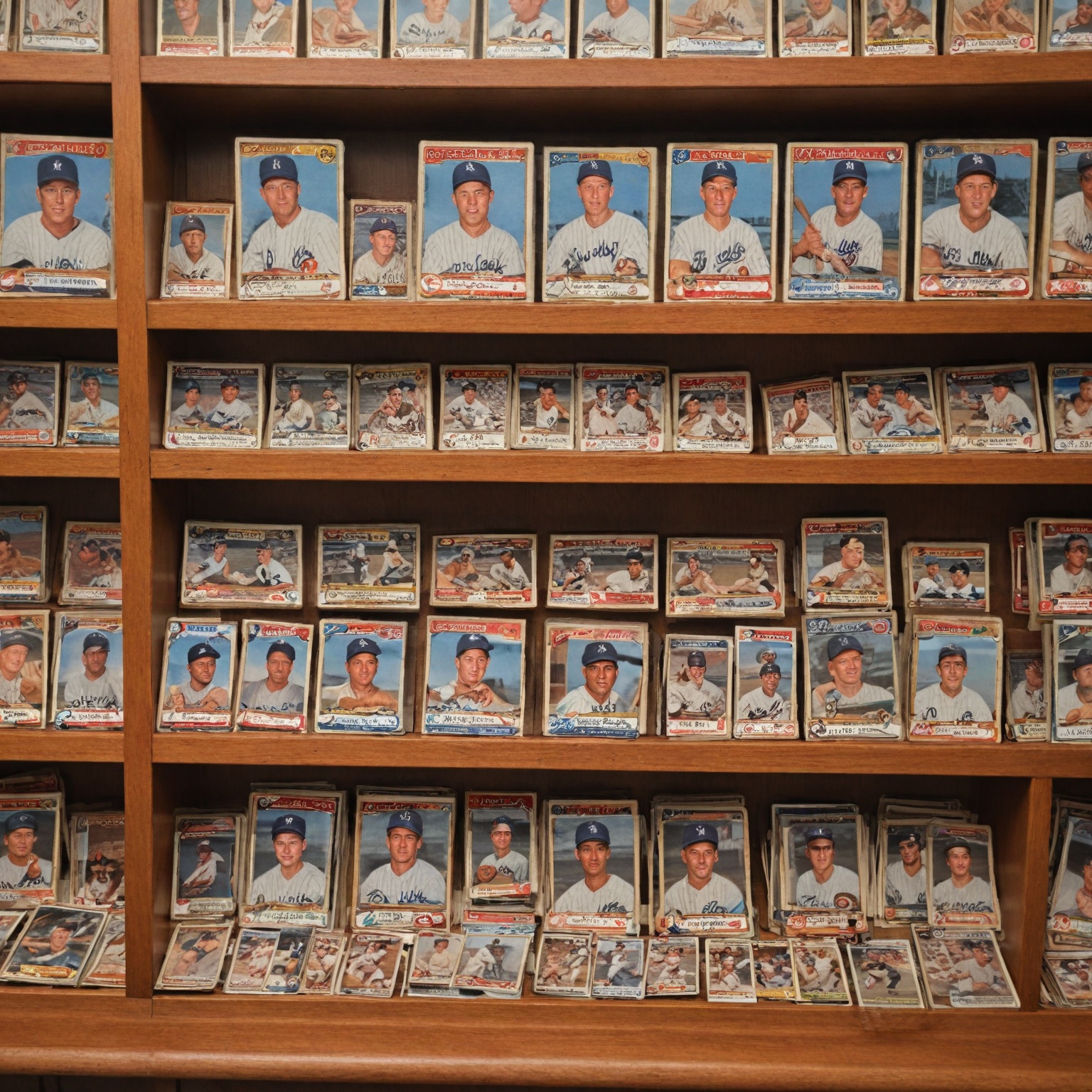
Highlights
- Vintage baseball cards are treasured for their rarity and historical significance, ensuring lasting value.
- Understanding grading and market trends is vital for savvy collectors and investors in 2025.
Overview and Historical Evolution
Vintage baseball cards, typically produced before the mid-1980s, remain vital in sports memorabilia collecting and investment in 2025 due to their rarity, historical significance, and cultural appeal. Originating in the mid-19th century as photographic mementos, key series like the early 20th-century T206 set and the 1952 Topps Mickey Mantle rookie card define the hobby’s golden eras. The market values cards for rarity, condition, autograph presence, and historical importance, with grading by services like PSA, Beckett, and SGC playing a critical role despite recent grading controversies.
Baseball cards evolved from early photographic cards to collectible items through the 20th century, with the 1950s marking a golden era highlighted by Topps’ rise. The late 20th century saw expanded production but also challenges like declining collector interest and grading issues. Despite fluctuations, vintage cards remain blue-chip investments reflecting baseball’s heritage and evolving market dynamics.
Defining Vintage Cards and Collector Priorities
Vintage cards are generally those produced before the mid-1980s, with a key distinction between pre- and post-World War II issues. Pre-war cards like the T206 set are especially prized for their cultural and historical value. Collectors in 2025 focus on rarity, condition, and historical significance, relying on grading for authentication and quality assessment, though grading standard changes have sparked debate.
Collectors emphasize scarcity, condition (favoring near mint or better), and autographs, especially on rookie or star player cards. Nostalgia influences preferences, exemplified by retro-themed sets like the 2025 Topps Heritage series. Historical significance remains central, with iconic sets and players driving demand. Grading standards and choosing reputable graders impact resale value and market confidence.
Key Vintage Cards and Market Trends
The T206 Honus Wagner card remains the most coveted vintage card, valued in the millions due to extreme rarity. Other notable cards include high-grade Napoleon Lajoie and 1933 Goudey cards. The 1952 Topps Mickey Mantle card is a mid-century icon. Entire series like Topps Heritage and Bowman also attract collectors, blending nostalgia with investment potential.
In 2025, modern and ultra-modern cards dominate many high-value sales, but vintage and pre-war cards still command prestige and significant transactions. Autographed cards surged in popularity in early 2025 before declining, while nostalgia and limited-edition releases continue to engage collectors. Many vintage card owners prefer holding cards amid a down market.
Grading, Authentication, and Preservation
Grading and authentication are crucial in valuing vintage cards, typically conducted by PSA, Beckett (BGS), and SGC. PSA leads the market but faced criticism after 2023 grading changes introduced inconsistencies. BGS offers high resale premiums, and SGC is valued for consistent vintage grading. Collectors are advised to grade cards selectively, focusing on high-quality or pre-war items.
Grading assesses card condition including centering, edges, surface, and flaws. Mint cards are nearly perfect, while lower grades reflect wear or damage. Flaws can significantly reduce value, and qualifiers on grades affect price. Proper preservation—using protective sleeves, storing cards in cool, dry environments, and minimizing handling—is essential to maintain condition and value over time.
Market Dynamics and Collector Motivations
The vintage baseball card market in 2025 balances sustained interest in historic cards with growing demand for modern and ultra-modern cards featuring exclusive parallels and autographs. Nostalgia and investment motives drive a diverse collector base, from casual enthusiasts to serious investors focused on blue-chip vintage sets. Autographed cards saw a temporary surge but have since declined in demand.
Economic factors and consumer trends influence market volatility. The pandemic boosted collecting interest, but a downtrend in lower-tier vintage cards reflects cautious selling. Condition grading remains key to pricing, and collectors often prefer graded near mint or mint cards. The grading ecosystem, while professionalizing the market, faces criticism for costs and inconsistencies, posing challenges for some collectors.
Notable Players, Cards, and Historic Collections
Iconic players like Ty Cobb, Honus Wagner, Cy Young, and Christy Mathewson drive vintage card demand. The 1952 Topps Mickey Mantle rookie card is a prized Post-War card. Modern stars such as Shohei Ohtani and Aaron Judge maintain strong market interest, alongside emerging prospects. Scarcity from limited insert cards also enhances value.
Historic collections, such as Jefferson R. Burdick’s famed compilation (1880s–1950s) exhibited at The Met, highlight the cultural importance of vintage cards. Collectors seek to complete notable sets like the 1933 Goudey, reflecting the hobby’s dedication to preserving baseball history and investment value.