Highlights
- Purchasing returned goods from Amazon supports a circular economy and reduces environmental waste.
- Engage with affordable options like Amazon Renewed to promote sustainable consumption patterns.
Summary and Environmental Benefits of Purchasing Returned Goods
Purchasing returned goods from Amazon reduces waste, conserves resources, and supports a circular economy by extending product lifecycles through refurbishment, resale, or recycling. E-commerce returns generate billions of pounds of waste and millions of metric tons of carbon emissions annually, making effective management critical. Amazon’s returns system inspects, grades, and refurbishes items for resale via programs like Amazon Renewed and Warehouse, offering affordable, sustainable options. These efforts divert goods from landfills, reduce packaging waste, and align with Amazon’s Climate Pledge to reach net-zero carbon emissions by 2040. Despite challenges such as high return rates and logistical complexities, buying returned goods remains a practical strategy to reduce the environmental impact of e-commerce.
Returned Goods Overview and Management at Amazon
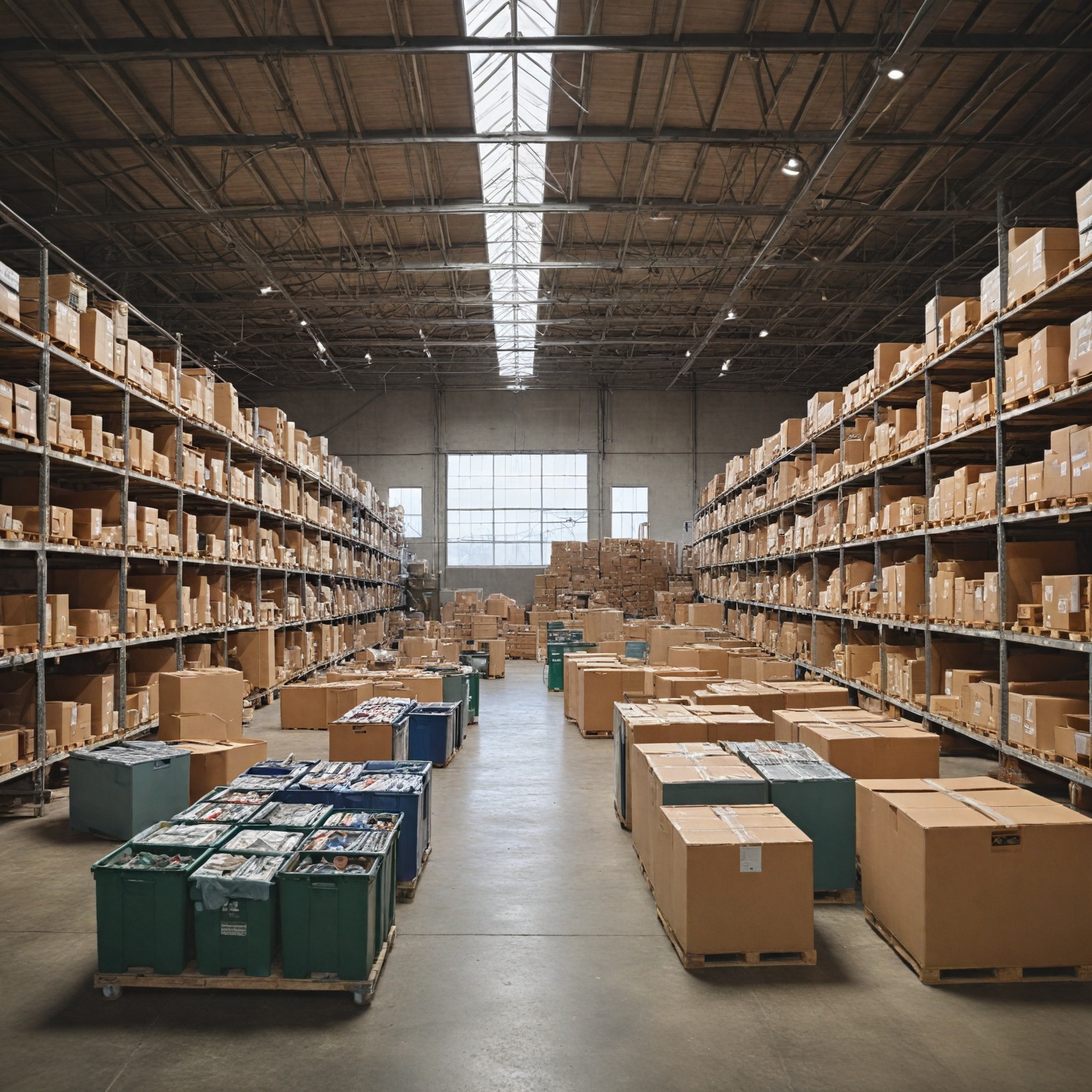
Returns are common in online retail, with Amazon’s overall return rate at 5-15%, lower than the industry average. Returned items are processed and often resold or liquidated rather than discarded, minimizing environmental impact. Amazon inspects and categorizes returns to maximize reuse; items in good condition are sold as new or through Amazon Renewed, while others are sold in bulk or donated to nonprofits. This approach recovers value, reduces waste, and supports social benefits. Amazon continually invests in sustainability initiatives to improve waste prevention and recyclability while offering customers discounted returned products that encourage sustainable consumption.
Environmental Impact of Returns and Consumer Role
E-commerce returns occur at triple the in-store rate, generating significant waste and carbon emissions from transportation, sorting, and packaging. Many returned goods end up in landfills, contributing billions of pounds of waste annually in the U.S. Consumer behavior influences these impacts, with shifts toward mindful purchasing and buying returned goods helping reduce waste. Amazon promotes sustainable shopping through programs like Climate Pledge Friendly and features that inform customers about product return rates, encouraging fewer unnecessary returns. Consumers benefit from cost savings and contribute to resource conservation by choosing returned items.
Amazon’s Sustainability Initiatives and Environmental Metrics
Amazon advances sustainability via circular economy practices, refurbishing and reselling returned goods and minimizing packaging waste through optimized materials and supplier partnerships. AWS’s re:Cycle Reverse Logistics refurbishes data center equipment, diverting millions of components from landfills. Amazon tracks environmental impacts using Life Cycle Assessment and waste diversion metrics, achieving 85% waste diversion in 2024. The company measures carbon intensity relative to sales and strives for net-zero emissions by 2040, integrating water-positive goals and waste reduction across operations.
Challenges, Industry Comparisons, and Future Innovations
High return rates—up to 40% in some categories—pose challenges including increased carbon emissions from logistics and significant landfill waste. While automation and AI improve efficiency, some returns remain difficult to manage sustainably. Industry data highlights returns’ carbon footprint and waste volume, with Amazon recovering or donating hundreds of millions of items annually to reduce landfill disposal. Future innovations include expanding reverse logistics, enhancing automated sorting, and developing sustainable packaging. Retailers are adopting return fees and policies to curb unnecessary returns, balancing convenience with environmental responsibility.
The content is provided by Harper Eastwood, Gear Shift Zone