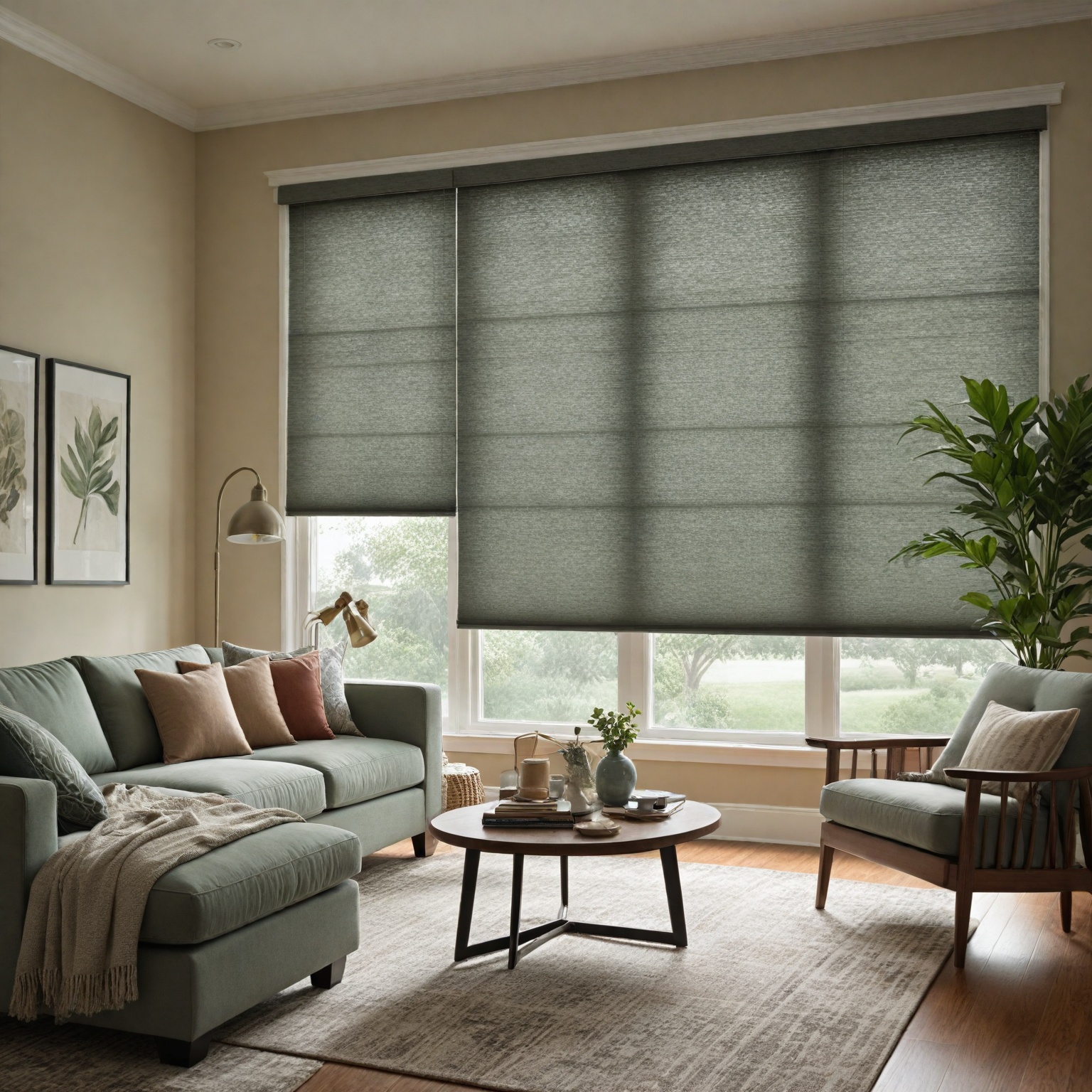
Highlights
- Cordless blinds enhance safety and convenience, making them essential for modern homes.
- Motorized options provide advanced control, aligning with trends in smart technology and sustainability.
Summary
Cordless blinds are a modern window treatment option that combines safety, convenience, and aesthetic versatility, increasingly favored in residential settings as of 2025. Unlike traditional blinds that rely on external cords, cordless blinds feature integrated mechanisms allowing users to raise or lower the shades with simple hand movements, eliminating dangling cords that pose significant safety risks to children and pets. This design innovation addresses longstanding concerns about blind cord-related injuries and fatalities, leading to widespread adoption and new regulatory mandates requiring cordless or cord-inaccessible window coverings in the United States starting in mid-2024.
Beyond enhanced safety, cordless blinds offer superior light control and privacy through adjustable slats or fabric designs that complement diverse interior styles, from minimalist to traditional. Advances in materials and mechanisms have improved their durability, ease of maintenance, and energy efficiency, making cordless blinds a practical, eco-friendly choice aligned with 2025 home design trends emphasizing sustainability and smart technology integration. Motorized cordless options further enhance usability by enabling remote and voice control, appealing to consumers seeking convenience and childproofing.
The rise of cordless blinds reflects broader market shifts driven by evolving consumer preferences and safety regulations. While the transition has led to increased manufacturing costs and some market consolidation, cordless blinds have become the preferred, and often legally required, window treatment for new installations across the U.S. Industry efforts, including certification programs like the Window Covering Manufacturers Association’s “Best for Kids” label, help consumers identify compliant and safe products. Overall, cordless blinds represent a significant advancement in window covering technology, transforming how homeowners balance style, safety, and functionality in their living spaces.
Overview
Cordless blinds have become an increasingly popular choice for window treatments, combining practicality, safety, and aesthetic appeal in modern homes. Unlike traditional blinds that use external cords for operation, cordless blinds feature a self-contained control mechanism that allows the blind to be raised or lowered smoothly with a simple push or pull, while internal cords ensure even lifting of the slats or fabric. This design not only enhances ease of use but also addresses critical safety concerns by eliminating hazardous cords, making cordless blinds a recommended option for households with children and pets.
In addition to their safety benefits, cordless blinds offer superior light control and privacy through their slatted design, which can be tilted and adjusted without the complications of cords. The minimalist and streamlined operation aligns with contemporary trends favoring clean, efficient, and low-maintenance window coverings. As homeowners increasingly seek solutions that blend beauty with functionality, cordless blinds provide a practical alternative to curtains, often emphasizing function over form while still fitting into various interior design styles.
The shift toward cordless blinds is also driven by evolving safety standards and consumer preferences that prioritize convenience and childproofing. Moreover, advancements in materials and mechanisms have made cordless blinds more durable and reliable, enhancing their appeal in 2025’s home design landscape. Overall, cordless blinds represent a significant evolution in window treatment technology, delivering a safer, sleeker, and more user-friendly option that transforms how homeowners interact with their living spaces.
Types and Styles
Cordless blinds come in a variety of types and styles that blend traditional and modern aesthetics while providing safety and ease of use. One popular option is cordless sheers, which combine the look of traditional blinds with slats covered by sheer fabric overlays, offering a delicate and elegant appearance suitable for many interiors. Another common style is the roller shade, which features fabric wound around a tube for a sleek, simple look and is often operated via a bottom tab to raise or lower the shade effortlessly.
Cellular blinds, also known as honeycomb blinds, are distinguished by their unique honeycomb-shaped cells that trap air, providing excellent insulation to maintain interior temperatures. These blinds are versatile enough to complement various design aesthetics, including traditional, southern, coastal, mid-century modern, and transitional styles. Embellishments such as decorative tapes can be added, although they may affect functionality by limiting the ability to lift or lower the blinds while still allowing slat tilting.
Wood blinds offer natural beauty with tiltable slats that provide easy light control. They typically feature standard cordless control, allowing users to lift and lower the blinds by adjusting the bottom bar, or motorized control for added convenience. For those seeking a moisture-resistant and durable option, faux wood blinds are an excellent choice; they do not warp or fade and are ideal for high-traffic areas like kitchens and bathrooms.
In terms of modern trends, 2025 emphasizes smart, motorized blinds with sleek, minimalist designs and natural tones such as muted blues, greens, and browns. These colors and materials help bring an outdoor feel inside, particularly when paired with natural wood or fabric window treatments. Motorized blinds, equipped with built-in motors, can be controlled remotely via remotes, smartphone apps, or voice commands through smart home devices, offering a child-safe and highly convenient window treatment solution. The cordless mechanism is often housed within a durable headrail made from materials like aluminum or steel, ensuring long-lasting performance.
Benefits
Cordless blinds offer numerous advantages that make them an increasingly popular choice for modern homes, particularly in 2025. One of the primary benefits is safety: cordless designs eliminate the hazards posed by dangling cords, which have been linked to numerous tragic incidents involving children and pets. Between 2009 and 2021, more than 200 incidents of strangulation involving children under eight years old were reported, with nearly half resulting in fatalities or severe injuries such as quadriplegia and permanent brain damage. The widespread availability of affordable cordless blinds at major retailers underscores their role in preventing such accidents and promoting safer home environments.
Beyond safety, cordless blinds provide a sleek, modern aesthetic that complements a variety of interior design styles. Whether homeowners prefer minimalist, traditional, or contemporary decor, cordless blinds come in a broad array of materials, colors, sizes, and patterns, enabling easy customization and a personalized touch. Innovations in materials and styles have further enhanced energy efficiency, helping to maintain comfortable indoor climates while reducing heating and cooling costs, thereby contributing to more sustainable living.
In terms of usability, cordless blinds are simple and intuitive to operate. Manual cordless systems allow for easy adjustment by pushing or pulling the blinds without the need for cords, while some models incorporate spring-assist mechanisms to keep shades in place effortlessly. Additionally, motorized cordless blinds offer the convenience of remote or smart home control, enabling smooth, quiet operation with the touch of a button. This combination of functionality and style ensures that cordless blinds meet the needs of homeowners seeking both safety and convenience.
Finally, cordless blinds require minimal maintenance. Their simple design and durable materials resist damage from sunlight and humidity, making them easy to clean and maintain over time. This practical advantage, coupled with their aesthetic versatility and safety features, has contributed to the growing preference for cordless blinds as a modern, efficient window treatment solution in 2025.
Installation and Compatibility
Cordless blinds offer versatile installation options depending on their style. Traditional free-hanging pleated blinds and classic plantation shutters are typically mounted using screws and brackets, providing a secure fit suitable for most window types. However, for easier and less invasive installation, no-drill versions such as Perfect Fit, Stick Fit, and Clip Fit attach directly to the window frame without the need for screws, simplifying the set-up process and minimizing damage to window structures.
Compatibility with smart home systems is another significant advantage of cordless blinds. Many modern cordless blinds can be integrated with home automation platforms and controlled via smartphone apps or voice commands, allowing users to create automated schedules and enhance convenience. This integration not only boosts functionality but also aligns with the growing trend of tech-driven home environments.
It is also important to consider recent safety regulations impacting window treatments. As of June 1, 2024, new mandates in the United States require that nearly all window covering products sold must be cordless or designed with inaccessible cords to improve child safety. These regulations apply broadly to both standard and custom-made blinds, making cordless blinds the preferred and often the only compliant choice for new installations.
When choosing cordless blinds, homeowners should review specific fitting guides that provide step-by-step installation instructions tailored to different blind types, ensuring proper compatibility and optimal performance. Understanding these installation nuances is crucial for maintaining the blinds’ longevity and functionality.
Market Trends and Innovations in 2025
The blinds market in 2025 is characterized by a combination of sustained demand for traditional window coverings and the rapid emergence of smart technology, sustainability, and customization features. Globally, the blinds and shades market is expected to grow at a compound annual growth rate (CAGR) of 5.8%, with the U.S. market alone projected to reach $11.67 billion in 2025 and grow at a 7.38% CAGR through 2029. This growth is largely driven by increasing adoption of smart home technologies and stricter energy efficiency regulations.
A prominent trend in 2025 is the rise of motorized and cordless blinds. These designs eliminate the hazards of dangling cords, making homes safer for families, especially those with children. Motorized cordless blinds combine enhanced safety with convenience, allowing users to control window treatments remotely via wall switches, remotes, or smartphone apps. This automation not only adds modern aesthetics to homes but also improves security by enabling blinds to be adjusted while homeowners are away.
The market is also seeing a shift towards eco-friendly and sustainable materials. High-quality fabrics, hardwood, and faux wood are favored for their durability, aesthetics, and environmental benefits. Consumers increasingly prioritize blinds that offer energy efficiency and light management through innovative light-filtering technologies, helping to reduce energy consumption while enhancing comfort.
Stylistically, 2025 trends emphasize natural tones, minimalistic styles, and bold designs that complement modern home interiors. The integration of smart technology, sustainability, and stylish designs is expected to dominate consumer preferences, positioning brands that excel in these areas as market leaders. Ultimately, the future growth of the blinds market hinges on the ability to integrate IoT-enabled automation and eco-friendly innovations that meet evolving consumer demands.
Safety Regulations and Standards
Recent safety regulations have significantly impacted the window coverings industry, mandating that nearly all window blinds and shades sold in the United States be cordless or designed with inaccessible cords to prevent accidental strangulation hazards, particularly for children. These new rules, effective primarily from June 1, 2024, apply to both standard off-the-shelf products and custom-made options, marking a monumental shift in product design and safety compliance that has been years in the making.
At the federal level, there is a strong push for mandatory safety standards prohibiting the sale of products with accessible cords, as these have been linked to tragic deaths and injuries that are avoidable through simple design changes such as cordless mechanisms. In addition to federal regulations, state and local governments have implemented their own rules to enhance safety and energy efficiency. For example, California’s stricter Title 20 standards address both energy and safety requirements, while New York City mandates cordless blinds in all residential rentals. Minnesota was an early adopter of cord safety laws before federal standards were established, creating a layered compliance environment that manufacturers must navigate.
These regulatory changes have influenced the marketplace by increasing the cost of cordless mechanisms by approximately $5 to $15 per unit, with motorized options adding an additional $50 to $100. The increased production costs and required compliance testing have led many suppliers to exit the U.S. market rather than invest in retooling, resulting in industry consolidation and reduced options for buyers. Retailers have reported price increases of 20 to 30 percent since the implementation of these regulations. Moreover, confusion remains among consumers regarding the legality of corded blinds, as rules vary by product category and sales channel.
Industry organizations have played a vital role in promoting safety and aiding consumers in identifying compliant products. The Window Covering Manufacturers Association (WCMA), originally organized as the Venetian Blind Council in the 1950s, launched the “Best for Kids” certification program in 2015 to help shoppers recognize cordless window coverings. Additionally, the Window Covering Safety Council and the U.S. Consumer Product Safety Commission (CPSC) actively recommend replacing corded blinds in homes where children live or visit and advise on safety practices, such as keeping cribs, beds, and furniture away from window coverings with cords.
Products like ODL Add-On Blinds, which feature between-glass designs, have received endorsements such as the Parents for Window Blind Safety (PFWBS) Seal of Approval and the WCMA Best for Kids certificate. These certifications reinforce the safety benefits of cordless window coverings and strongly encourage their use in households with children.
Safety Hazards of Traditional Corded Blinds
Traditional corded blinds have long posed significant safety risks, particularly to young children. Between 1990 and 2015, over 16,000 children suffered injuries related to blind cord strangulation, with roughly one child dying each month from these preventable accidents. During a 13-year period from 2009 through 2021, more than 200 incidents involving children aged eight and under were reported, with nearly half resulting in fatalities. Injuries from such incidents have ranged from minor scars to severe outcomes including quadriplegia and permanent brain damage.
The primary hazard stems from the exposed cords on traditional blinds, which can easily entangle children, leading to strangulation. These cords have been linked to numerous accidents and have necessitated industry-wide government regulations aimed at reducing these dangers. In response, new safety standards have been established, mandating that nearly all window covering products sold in the United States be cordless or designed with inaccessible cords starting June 1, 2024. These regulations cover both off-the-shelf and custom-made blinds, reflecting a significant shift from voluntary recommendations to enforceable safety requirements.
Due to the persistent risk associated with corded blinds, industry experts strongly advise replacing traditional blinds with cordless alternatives or motorized options. These modern designs eliminate the risk of entanglement, providing safer environments for children and pets while maintaining functionality and aesthetic appeal. Additionally, consumers are encouraged to ensure their blinds comply with safety standards set by regulatory bodies such as the U.S. Consumer Product Safety Commission (CPSC), which actively enforces these regulations to prevent further harm.
Despite the availability of affordable cordless blinds and shades at most major retailers and online, the legacy of injuries caused by corded blinds highlights the critical need for widespread adoption of safer window coverings. Families affected by accidents involving defective cords may have legal recourse, including the option to pursue compensation through window blind cord lawsuits. Overall, the transition to cordless blinds represents a vital advancement in protecting the most vulnerable members of the household from tragic and life-altering accidents.
Comparison with Other Window Treatments
Cordless blinds offer a distinct combination of functionality, safety, and aesthetics that set them apart from other popular window treatments such as curtains and traditional blinds. When comparing blinds and curtains, one of the primary differences lies in their aesthetic appeal and versatility. Curtains provide greater design flexibility, available in a wide range of fabrics—from sheer to blackout—and offer numerous styles, colors, and patterns to suit any decor, whether elegant and traditional or sleek and contemporary. In contrast, blinds, including cordless varieties, deliver a cleaner, more streamlined look with precise light control and easy maintenance, appealing to those who prefer a minimalist or industrial-chic aesthetic.
In terms of functionality, cordless blinds excel by providing effective light control through their adjustable slats, which can be operated using a wand, allowing for nuanced manipulation of natural light and privacy without the clutter of cords. Unlike curtains, which often add softness and insulation to a room, blinds tend to emphasize durability and low maintenance, making them particularly suitable for high-traffic or family environments. Materials used for cordless blinds are chosen for their resilience and ease
Consumer Considerations
When selecting window coverings, consumers must carefully evaluate several important factors to ensure the chosen product aligns with their needs and lifestyle. Safety remains a paramount concern, particularly regarding the hazards posed by window covering cords that can entangle infants and children. The U.S. Consumer Product Safety Commission (CPSC) strongly recommends opting for cordless window coverings to mitigate these risks, especially during events such as moving into a new home or renovating existing spaces.
Beyond safety, functionality and aesthetics play critical roles in the decision-making process. Cordless blinds provide a sleek and modern appearance while offering ease of use and minimal upkeep, appealing to homeowners seeking both beauty and practicality. These blinds typically require straightforward maintenance routines and are designed to resist damage from sunlight and humidity, which enhances their durability and convenience. Additionally, consumers often consider light control and privacy needs when choosing between blinds and curtains, with blinds offering more precise light adjustment and a cleaner look, whereas curtains provide softness, color variety, and superior insulation.
Budget is another key factor influencing consumer choices. Cordless blinds generally cost $5 to $15 more per unit compared to corded alternatives, while motorized options can increase costs by $50 to $100 per unit. Market consolidation following stricter safety regulations has led some suppliers to exit the U.S. market due to the expenses associated with retooling and testing, which in turn has reduced options and contributed to price increases of 20–30% for consumers. Moreover, the varying applicability of regulations across product categories and sales channels often causes confusion regarding the legality of corded blinds.
Finally, consumers are advised to select window coverings that complement their overall room aesthetic and lifestyle preferences. Trends in 2025 emphasize eco-friendliness, integration with smart home technology, and stylish designs that enhance modern interiors, further shaping consumer priorities when choosing blinds. By balancing safety, functionality, design, maintenance, and cost considerations, homeowners can make informed decisions that transform their living spaces effectively.
Environmental Impact
Cordless blinds are increasingly recognized for their positive environmental impact, aligning with the growing trend toward eco-friendly home solutions in 2025. One key factor contributing to their sustainability is the use of advanced materials that improve energy efficiency. For instance, refined cellular designs help maintain comfortable indoor temperatures throughout the year, which reduces the need for excessive heating or cooling and consequently lowers energy consumption and utility costs.
Additionally, many cordless blinds are crafted from sustainable or high-quality materials such as hardwood, faux wood, and premium fabrics, which not only enhance durability but also support environmentally conscious manufacturing practices. The combination of improved insulation properties and durable materials positions cordless blinds as an eco-friendly choice for homeowners seeking to reduce their carbon footprint.
Furthermore, as these blinds contribute to more energy-efficient homes, they align with broader environmental goals by promoting reduced energy waste and supporting sustainable living trends. This makes cordless blinds a practical and stylish solution for those aiming to create a modern, energy-conscious living space.
The content is provided by Avery Redwood, Gear Shift Zone