Discover the Benefits of Cordless Blinds for Your Home in 2025: Style, Safety, and Functionality
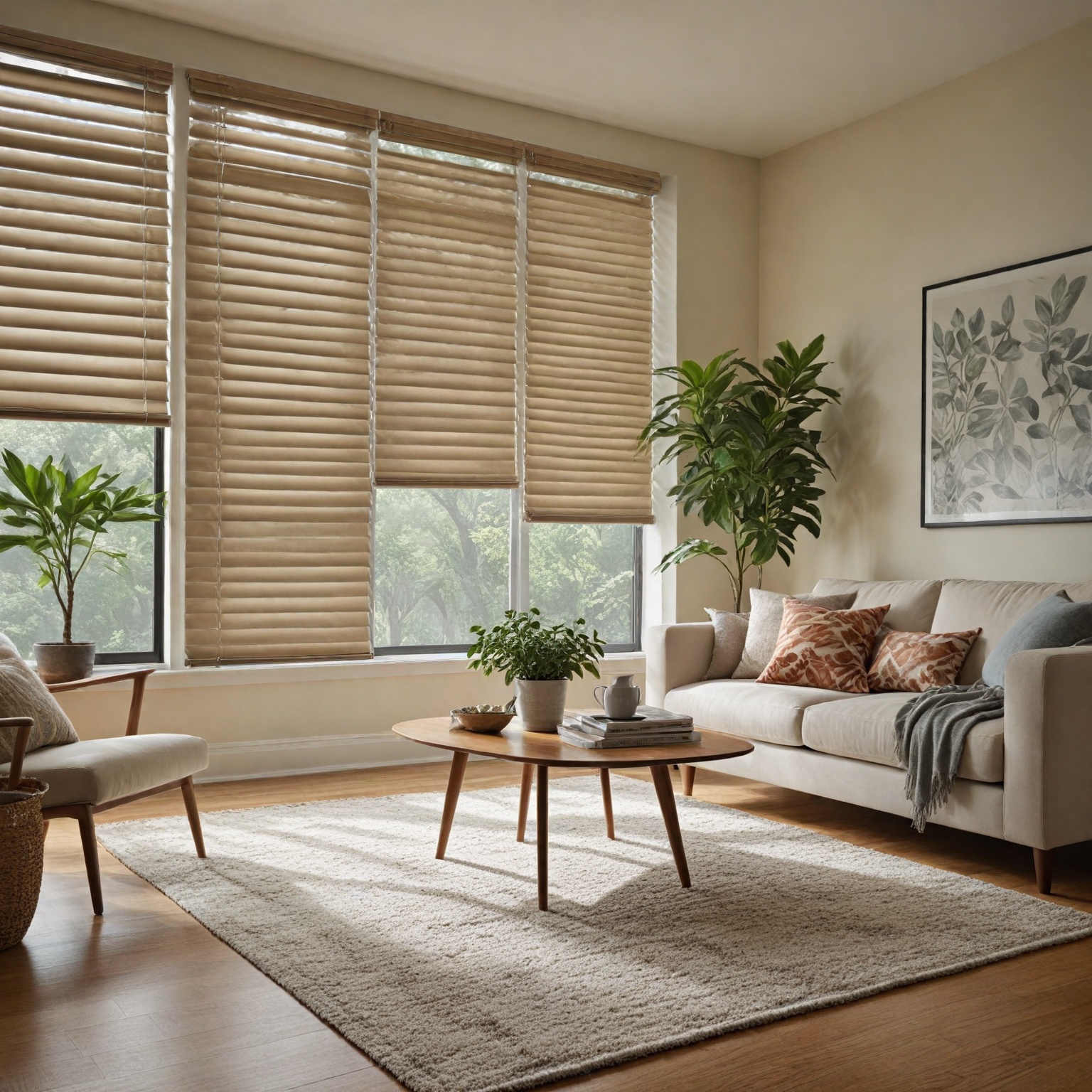
Highlights
- Cordless blinds enhance safety and aesthetics, making them a smart choice for modern homes.
- Their design aligns with trends in sustainability and convenience, ensuring long-term customer satisfaction.
Summary
Cordless blinds have emerged as a popular and innovative window treatment option in 2025, combining modern aesthetics, enhanced safety, and functional convenience for contemporary homes. Unlike traditional blinds that use cords or chains, cordless blinds operate without external cords, providing a sleek, minimalist appearance that complements a wide range of interior styles while eliminating the visual clutter and safety hazards associated with corded designs. Their increasing adoption reflects growing consumer demand for safer, smarter, and more sustainable home solutions.
A key factor driving the shift to cordless blinds is safety, particularly in households with children and pets. Traditional corded blinds pose serious strangulation risks, which led regulatory agencies such as the U.S. Consumer Product Safety Commission (CPSC) to mandate stringent safety standards that effectively require cordless or cord-containment designs for new window coverings sold in the U.S. market starting in 2024. By removing exposed cords, cordless blinds significantly reduce the risk of injury and comply with these updated regulations, making them a trusted choice for families and safety-conscious consumers.
Beyond safety, cordless blinds offer ease of use through simple mechanisms that allow users to raise or lower shades by pulling the bottom rail, and many models now incorporate motorized and smart-home integration features for enhanced convenience and automated control. Available in various styles—such as roller, Venetian, cellular, and Roman shades—and crafted from diverse materials including wood, faux wood, and eco-friendly fabrics, cordless blinds also align with 2025’s design trends emphasizing sustainability, natural textures, and energy efficiency.
Overall, cordless blinds represent a convergence of safety innovation, stylish design, and technological advancement, responding to evolving consumer preferences and regulatory landscapes. While they offer numerous benefits, considerations regarding durability, maintenance, and mechanism limitations remain important for buyers to ensure long-term satisfaction. The widespread industry transition to cordless window coverings underscores their growing prominence as a smart and safe window treatment solution in modern homes.
Overview of Cordless Blinds
Cordless blinds have become increasingly popular in modern interior design due to their clean, uncluttered appearance and practical benefits. Unlike traditional window coverings that use operating cords or loops, cordless blinds function without external cords, offering a streamlined look that allows windows to take center stage in any room décor. They are available in a wide variety of materials, colors, and patterns, making it easy to find options that complement diverse home styles.
One of the primary advantages of cordless blinds is ease of use. They operate simply by pulling the bottom rail or ring to raise or lower the blind, eliminating the complexity and safety hazards associated with cords. This design enhances safety, particularly for households with children or pets, as cordless mechanisms remove the risk of entanglement, aligning with important industry standards focused on child and pet safety. In addition to safety and aesthetics, cordless blinds contribute to a pet-friendly environment through the use of durable, easy-to-clean materials that withstand wear and tear. Furthermore, many cordless blinds now incorporate smart technology options, such as PowerView® Automation, allowing users to control window coverings via mobile apps, remote controls, or voice commands when integrated with smart home systems, thus enhancing functionality and convenience.
Benefits of Cordless Blinds
Cordless blinds offer numerous advantages that make them an increasingly popular choice for modern homes, particularly as safety, style, and convenience become paramount considerations. One of the primary benefits of cordless blinds is enhanced safety. Traditional blinds with cords pose significant hazards, especially to children and pets, due to the risk of strangulation from dangling cords. Recognizing this danger, regulatory bodies such as the U.S. Consumer Product Safety Commission (CPSC) have mandated that most new window coverings must be cordless or include safety devices, with enforcement beginning in 2024. By eliminating cords, cordless blinds substantially reduce these risks, creating a safer home environment and ensuring compliance with updated safety standards.
In addition to safety, cordless blinds provide ease of use and convenience. Their operation typically involves simply pulling the bottom rail to raise or lower the blind, eliminating the need to manage cords or chains. This straightforward functionality makes cordless blinds particularly user-friendly for all members of a household. Moreover, cordless blinds contribute to a sleek and clean aesthetic, enhancing the overall interior design by removing the visual clutter of cords and promoting minimalist styles that are trending in 2025.
Durability and maintenance also factor into the benefits of cordless blinds. Proper care and regular maintenance can extend their durability, allowing homeowners to enjoy their advantages long-term. Materials used in high-quality cordless blinds often include premium fabrics and woods that align with the year’s design trends, blending functionality with style.
Ultimately, cordless blinds represent a perfect blend of safety, convenience, and modern design. They address critical safety concerns while enhancing the home’s aesthetic appeal and usability, making them a smart investment for families, pet owners, and anyone looking to upgrade their window treatments in 2025 and beyond.
Types of Cordless Blinds
Cordless blinds come in a variety of styles, each offering unique aesthetic and functional benefits to complement different interior designs and needs. These blinds operate without traditional cords or chains, relying instead on internal mechanisms that allow users to raise, lower, and adjust the coverings with simple lifting or pulling motions.
Roller Blinds
Cordless roller blinds feature a minimalist and sleek design, where the fabric wraps around a roller tube inside the headrail. Operation involves pulling the bottom rail to raise or lower the shade, offering smooth and quiet movement. They are available in numerous color and fabric combinations, including options with varying opacities or dual-layered designs like the Duolite® feature, which pairs an opaque liner behind a sheer shade on a single headrail.
Venetian Blinds
Cordless Venetian blinds provide the classic horizontal slat look without the hassle of cords. Typically, these blinds include a wand or handle to tilt the slats, enabling precise light control. The cordless design enhances child and pet safety while maintaining the timeless style and functionality that Venetian blinds are known for.
Cellular (Honeycomb) Shades
Cellular shades, also known as honeycomb shades due to their unique pocketed construction, are popular cordless options that offer insulation and energy efficiency. Their top-down, bottom-up cordless designs allow versatile light and temperature control while ensuring child safety. Although the cellular pockets can collect dust, regular cleaning can prolong their lifespan. They are considered among the safest cordless window treatments available.
Roman Shades
Roman shades combine classic elegance with modern cordless convenience. These fabric window coverings operate by pulling or pushing the bottom rail, often with an automatic mechanism integrated into cordless models. Their warm, accordion-style folds have regained popularity as a stylish and functional choice for contemporary homes.
Additional Materials and Designs
Cordless blinds are crafted from a variety of materials to suit different environments and preferences. High-grade fabrics, hardwood, and faux wood are commonly used for their durability and aesthetic appeal. Faux wood blinds, in particular, resist moisture and warping, making them ideal for humid areas like kitchens and bathrooms. Metal and synthetic blinds also feature cordless options that balance durability with affordability and style. Each material choice influences maintenance requirements and lifespan, allowing homeowners to select the best fit for their needs.
Internal Mechanisms and Technology
Cordless blinds operate through sophisticated internal mechanisms primarily housed within the headrail, the topmost part of the blind system. The headrail is typically constructed from durable materials such as aluminium or steel, designed to support long-lasting performance and withstand daily use. Inside the headrail, the lift system—comprising springs, clutches, or motors—enables smooth raising and lowering of the blinds. This system works alongside a tension device, often a concealed cord or cable, which maintains the desired position of the blinds by tightening as the bottom rail is pulled down and releasing to allow the spring to retract the blind.
The most common manual cordless mechanism involves a spring hidden within the headrail. When the bottom rail is pulled down, the spring compresses and stores energy; releasing the bottom rail allows the spring to expand freely, pulling the blind back up. While this spring tension system is effective, it has limitations such as an inability to handle heavy blinds and difficulty maintaining partial-open positions over time due to gradual tension loss. This degradation in tension components can cause blinds to drift downward or fail to lock in place, especially in high-usage areas where wear accelerates.
To enhance convenience and functionality, cordless blinds also incorporate motorized operating systems. These systems replace manual lifting with a small motor integrated into the headrail, which can be controlled remotely via a wall switch, handheld remote, or smartphone app. Motorized cordless blinds provide superior ease of use and are ideal for hard-to-reach windows or users seeking automated home features, while still offering the safety and aesthetic benefits of cordless designs.
Various product lines offer additional user-friendly technologies, such as the Lift & Lock™ system or motorized wands, enabling effortless one-touch operation to raise or lower the blinds. These mechanisms may be positioned in either the headrail or bottom rail, allowing for intuitive and smooth control without cords.
Installation and Maintenance
Installing cordless blinds involves a systematic approach to ensure proper fit and functionality. First, lay out all blinds and hardware to confirm that every component needed for installation is present. Accurate measurements are critical; determine the exact placement of screws and brackets based on whether you are mounting the blinds inside the window frame or as an outside mount on the trim or wall above the window. The headrail, which houses the internal lift mechanism, is typically made of durable materials such as aluminum or steel and should be securely positioned to support the cordless operation.
Forum users emphasize the importance of selecting the correct blind length and using appropriate mounting hardware tailored to the surface type for a successful installation. For DIY projects like cordless Roman shades, measuring the window’s width and height with additional allowances for hems and seams is essential to ensure a proper fit before cutting fabric and assembling the shade.
Maintenance of cordless blinds is generally straightforward and aligns closely with that of traditional corded blinds, with the added advantage of fewer components to clean or repair due to the absence of cords. The materials used—ranging from real wood and faux wood to vinyl and aluminum—play a significant role in determining the blinds’ durability and ease of cleaning. For example, vinyl blinds are lightweight and easy to wipe down, though they may be less durable under heavy use, while wooden blinds offer a more natural look with potentially higher maintenance needs.
Cordless blinds are designed for simple upkeep; routine dusting or wiping is typically sufficient to keep them clean. Motorized cordless blinds might require occasional battery replacements depending on their specific setup. In cases where cordless mechanisms become unresponsive, step-by-step troubleshooting guides can assist in re-engaging the system without the need to dismantle the entire installation, thereby maintaining both functionality and longevity.
Safety Considerations
Safety is a critical factor when selecting window treatments, especially in homes with children or pets. Traditional corded blinds pose significant risks due to their long, loosely hanging cords, which can become tangled or lead to accidental strangulation. Recognizing these dangers, new mandatory consumer product safety standards have been established to address the unreasonable risk of injury associated with custom window coverings. These regulations set performance requirements for safe operation and go into effect 180 days after their publication in the Federal Register.
Cordless blinds offer a safer alternative by eliminating exposed cords altogether. They utilize built-in tension mechanisms that allow the blinds to be raised and lowered without the need for traditional cords, effectively reducing the risk of strangulation and accidents in the home. Upgrading to cordless or motorized blinds not only enhances safety but also ensures compliance with both U.S. and Canadian safety regulations.
Industry standards for cordless blinds emphasize child safety features, including secure mounting systems and durable, pet-friendly materials that are easy to clean. Selecting high-quality, well-engineered cordless or motorized window treatments is essential to maintain safety, durability, and a positive user experience. By choosing these modern options, homeowners can create a safer environment while still enjoying stylish and functional window coverings.
Regulatory Landscape
In response to the significant risks posed by corded window coverings, particularly the danger of strangulation to children, the U.S. Consumer Product Safety Commission (CPSC) has implemented stringent federal safety standards. On May 30, 2023, the CPSC approved a new mandatory consumer product safety standard specifically targeting operating cords on custom window coverings, including shades, blinds, curtains, and drapery made to consumer specifications. This rule incorporates the voluntary ANSI/WCMA A100.1 – 2018 standard, which outlines safety requirements to minimize hazards associated with corded window coverings.
The rule classifies the presence of hazardous operating and inner cords on both stock and custom window coverings as a substantial product hazard, reflecting the serious injury risks these products present. The new regulation prohibits manufacturers and importers from producing or importing custom window coverings that fail to meet the safety requirements set forth in 16 CFR 1260 at rates exceeding 120 percent of their previous baseline during any 180-day period between November 28, 2022, and May 30, 2023.
As part of these regulatory measures, corded blinds and shades have effectively been removed from the U.S. market, compelling all manufacturers, distributors, and retailers—including major chains like The Home Depot—to comply with these updated safety standards. These comprehensive regulations underscore the industry’s commitment to reducing life-threatening injuries associated with window covering cords, thereby enhancing the safety and well-being of consumers nationwide.
Market Trends and Consumer Preferences in 2025
In 2025, window treatment trends are strongly influenced by modern aesthetics, sustainability, and smart home integration. Consumers increasingly favor shades and blinds that combine style, functionality, and eco-friendliness. Natural tones such as muted blues, greens, browns, and earthy colors like sand, terracotta, and forest green are highly sought after for creating a harmonious indoor-outdoor connection, especially when paired with natural materials like wood, bamboo, and organic fabrics.
Minimalism remains a dominant design principle, with clean lines and simple forms favored to complement contemporary interiors. This shift aligns with broader lifestyle trends emphasizing eco-consciousness and streamlined living. Consequently, eco-friendly materials—including bamboo, recycled fabrics, organic cotton, and responsibly sourced wood—are becoming standard choices, offering not only environmental benefits but also enhanced air quality and timeless appeal.
Smart, motorized blinds and shades are also gaining popularity, reflecting a growing desire for connected home solutions that provide convenience and improved control over light, heat, and privacy. Dual-function blinds that combine blackout capabilities with light filtering features are particularly in demand, meeting both aesthetic and practical needs.
In terms of materials, high-quality fabrics, hardwood, and faux wood remain preferred for their durability and look, with products like Norman® cordless shades exemplifying this trend toward premium craftsmanship and cordless safety features. Whether consumers seek bold colors and patterns to create focal points or neutral hues for a subtle look, the emphasis remains on choosing materials and designs that align with individual style while contributing to sustainable living.
Environmental Impact
Sustainability has become a key consideration in the design and selection of cordless blinds, with many homeowners opting for products made from eco-friendly materials such as bamboo, organic cotton, recycled fabrics, and responsibly sourced wood. These materials not only reduce the carbon footprint associated with production but also contribute to improved indoor air quality by being free from harmful chemicals or synthetic treatments. The use of natural textures and earthy tones in these blinds adds warmth and character to interior spaces, complementing a variety of décor styles and promoting timeless appeal.
In addition to aesthetic and environmental benefits, sustainable cordless blinds offer functional advantages such as better insulation, which enhances energy efficiency by maintaining indoor temperature—keeping patios cooler in summer and warmer in winter. This temperature regulation helps reduce heating and air conditioning costs, making such blinds a smart
The content is provided by Blake Sterling, Gear Shift Zone