Highlights
- The 2026 Duster embraces electrification, enhancing efficiency and maintaining affordability.
- Its modern design and advanced technology make it a competitive choice in the B-SUV segment.
Summary and Design
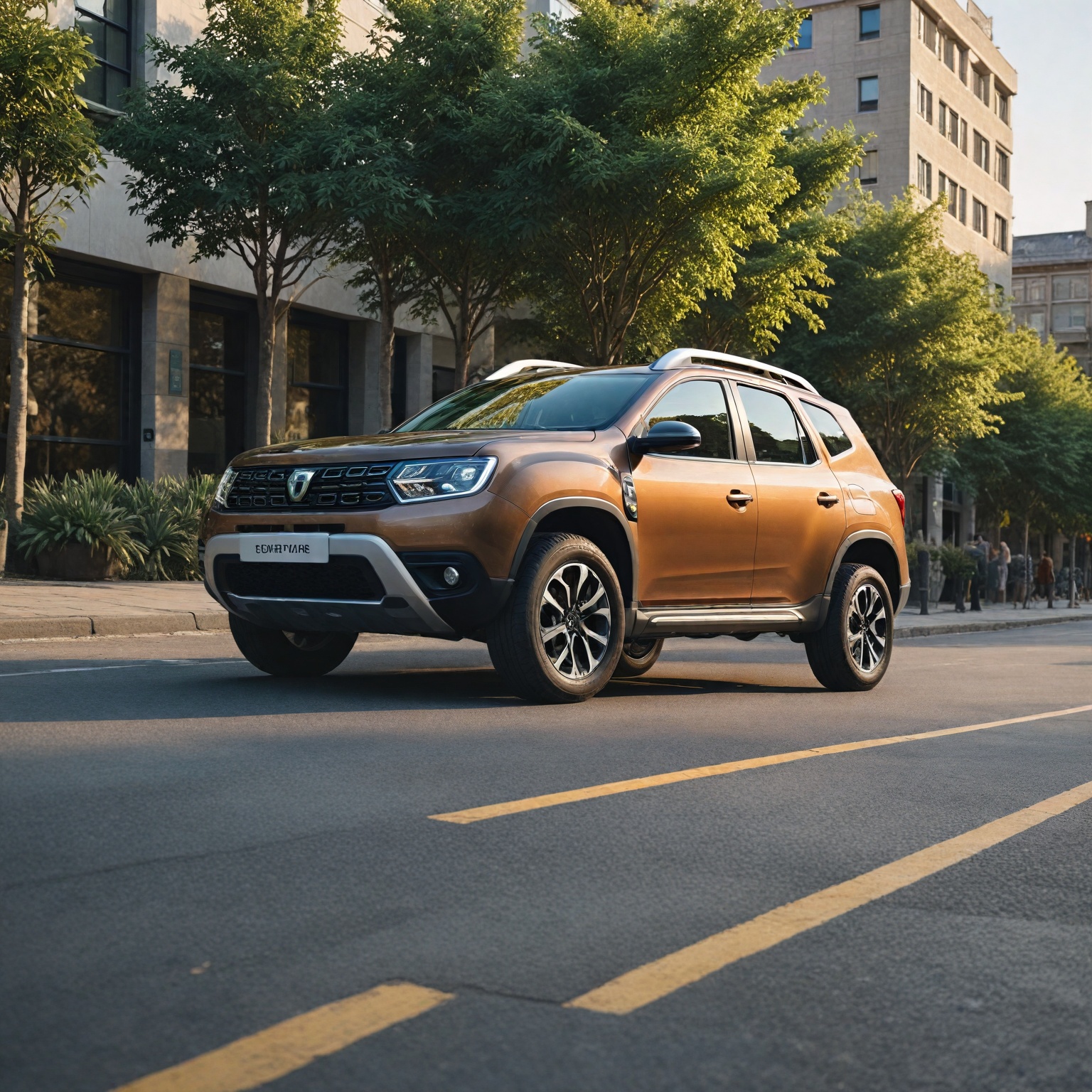
The 2026 Dacia Duster, the third-generation compact SUV from Renault Group, marks a shift toward electrification using the CMF-BEV platform for hybrid and electric powertrains. Previewed by the 2021 Bigster concept, it features bold exterior updates like Y-shaped lighting and larger wheels. Inside, the cabin is more refined with a minimalist design, a 10.1-inch touchscreen, a 7-inch digital cluster, and wireless smartphone integration, while retaining simpler options for affordability. Powertrains include a mild-hybrid petrol engine and a Hybrid 155 system combining petrol and electric motors. Safety has improved with multiple airbags, stability control, and driver aids, addressing earlier model criticisms. The Duster remains competitively priced, practical, and versatile, sustaining strong sales in Europe and expanding to markets like India and Australia.
Technical Specifications and Interior
Built on the CMF-BEV platform adapted from the CMF-B, the 2026 Duster supports electrified powertrains. The Hybrid 155 combines a 109 bhp petrol engine with two electric motors and a 1.4 kWh battery, featuring a six-ratio automatic electric gearbox. Petrol-only models use a 130 hp 1.2-litre mild-hybrid engine with a six-speed manual gearbox, available in two- or four-wheel drive. The SUV measures 4,344 mm long with a 2,657 mm wheelbase and weighs 1,421–1,497 kg. The hybrid offers around 430 liters of boot space. The interior replaces the utilitarian approach with a minimalist dashboard, Y-shaped vents, a floating 10.1-inch infotainment screen, and a 7-inch digital driver display, with simpler trims providing analogue instruments and physical climate controls.
Safety and Infotainment
The Duster offers six airbags, ABS with electronic brakeforce distribution, traction control, and parking, light, and rain sensors across trims. Electronic stability control is standard or optional depending on the market. While earlier models received poor crash test results, the 2026 generation addresses these issues with improved structural safety and driver assistance features, though some advanced aids may still be missing on lower trims. Infotainment includes wireless Android Auto and Apple CarPlay, a six-speaker sound system, wireless charging, and automatic climate control. Basic versions omit the touchscreen in favor of analogue controls and a phone clamp.
Variants, Market Availability, and Reception
Available in Essential, Expression, Journey, and Extreme trims—with the Extreme featuring distinctive styling and adaptive cruise control—the Duster offers gasoline, hybrid, and LPG engines. A hybrid-G 150 4×4 bifuel variant with electric all-wheel drive is also planned. Production spans Europe, South America, and Russia, with future models like the Bigster expanding to India and Australia. The Duster is praised for improved ride comfort, effective suspension, and practicality, despite some wind noise and sensitivity to crosswinds. It remains a top seller in Europe and the UK due to its affordability and robustness.
Competitors and Market Position
Competing in the small SUV segment, the Duster stands out for its competitive pricing and versatile powertrain options, including gasoline, hybrid, and LPG variants. Its main rival is the MG ZS, which offers similar size and cost. The Duster’s value and practicality earned it the “Autobest 2011” award. Continual updates and electrification efforts help maintain its strong market position against evolving consumer demands and technological trends.
The content is provided by Sierra Knightley, Gear Shift Zone