Highlights
- Police impounded cars can be purchased at significantly lower prices, appealing to budget-conscious consumers.
- Buyers should conduct thorough inspections and research vehicle histories to minimize potential risks.
- The rise of online auctions has made police impounded car sales more accessible and prominent in the used car market.
Summary and Overview
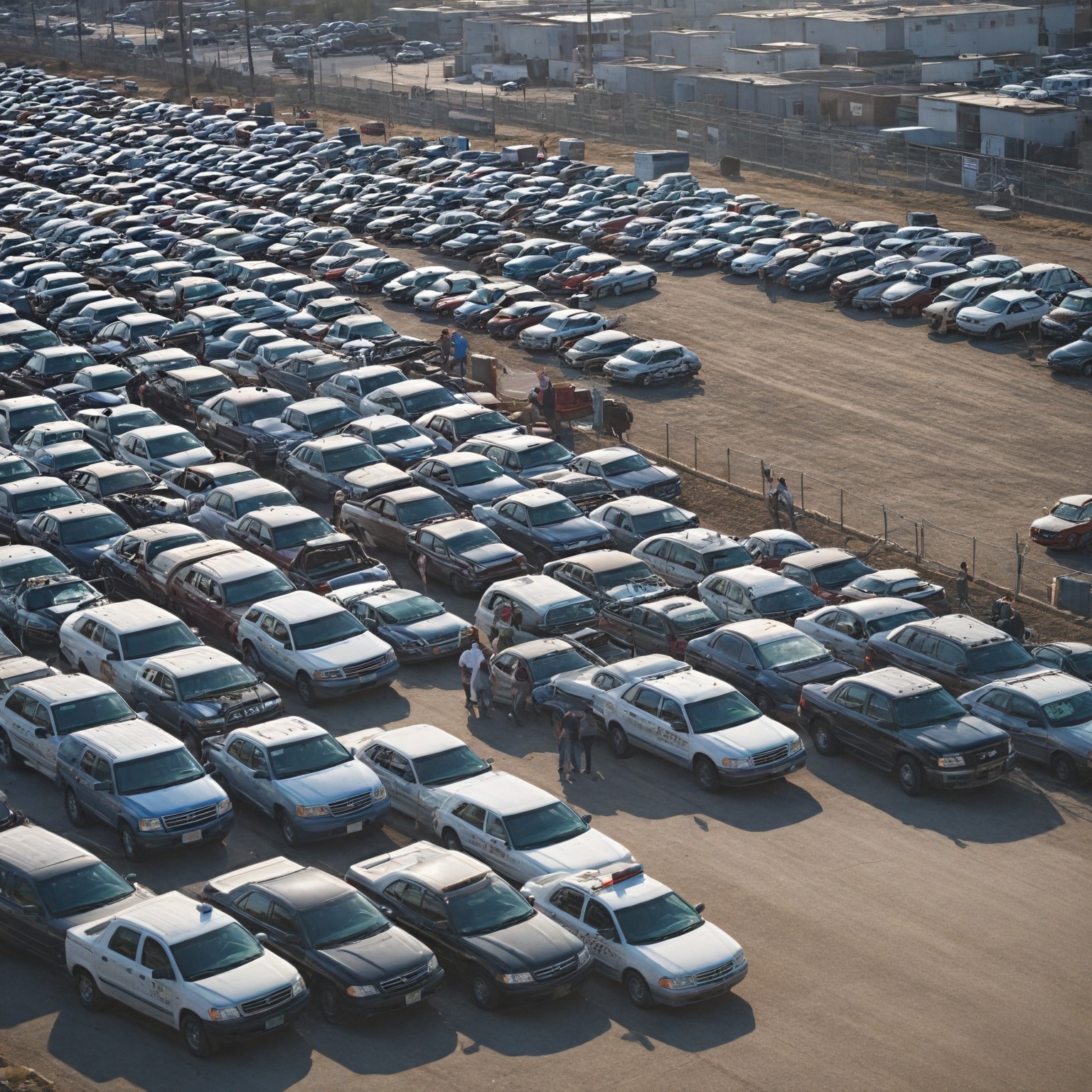
Affordable police impounded cars are vehicles seized by law enforcement for legal infractions, unpaid fines, or criminal involvement. Stored in impound lots, unclaimed cars are auctioned to the public at prices below market value, attracting budget-conscious buyers. Impoundment results from various causes like traffic violations or criminal activity, with legal frameworks balancing government interests and owners’ rights. Auctions feature diverse vehicles, including former police cruisers and seized assets, sold “as-is” without warranties. Buyers face risks such as hidden defects and unclear histories, requiring thorough inspections and due diligence. Online auction platforms have expanded access, making police impounded car sales a notable segment of the used car market.
Acquisition, Sale Process, and Vehicle Types
Vehicles are impounded for reasons including evidence in crimes or traffic violations, then towed to designated lots where owners may reclaim them by paying fees. Unclaimed vehicles are auctioned in-person, online, or by mail, often including sedans, SUVs, motorcycles, and former police cars like Ford Crown Victoria, Chevrolet Tahoe, Dodge Charger, and Ford Explorer. Auctions require buyer registration and typically sell vehicles “as-is” without warranties. Online platforms such as GovDeals.com increase accessibility. Proceeds support community programs. Besides former police vehicles, auctions also feature seized, abandoned, and government fleet cars, which can vary widely in condition and history.
Pricing, Vehicle Condition, and Legal Status
Police impound auctions offer vehicles at prices below market value due to “as-is” sales and uncertain conditions. Buyers should research values and anticipate repair costs. Vehicle conditions range from well-maintained government fleet cars to damaged or high-mileage former police vehicles, often sold without warranties. Legal status varies; vehicles may be impounded for expired licenses, unpaid fines, or criminal ties, sometimes subject to forfeiture. Owners face complex legal procedures and fees to reclaim vehicles. Buyers must verify vehicle histories and liens to avoid legal or mechanical issues.
Buyer Considerations, Risks, and Best Practices
Purchasing impounded cars involves risks from hidden damages, incomplete histories, and competitive bidding that can drive prices up. Buyers should inspect vehicles in person or via independent mechanics and verify auction credibility. Legal notifications and procedures affect auction timing and vehicle release. Post-purchase logistics may require arranging towing and handling registration and insurance. Regional laws influence impoundment and auction processes. Setting a clear budget and understanding administrative requirements help prevent overspending and complications.
Benefits and Market Insights
Police impounded cars provide cost savings and a wide vehicle selection, accessible through online auctions with detailed listings. Although additional investments in repairs and legal fees may be necessary, buyers can find affordable vehicles. The expanding online auction market offers convenience and increased competition, enabling buyers to access diverse options nationwide.
Related Terms and Concepts
Terms like “police auction” and “Proceeds of Crime auction” refer to sales of seized, abandoned, or surplus vehicles. Impoundment must be reasonable, with police required to consider alternatives before seizure. Vehicles are sold “as-is,” often without warranties, and may have significant wear from police use. Understanding auction terminology, bidding, and payment processes is essential for successful participation.
The content is provided by Jordan Fields, Gear Shift Zone