Highlights
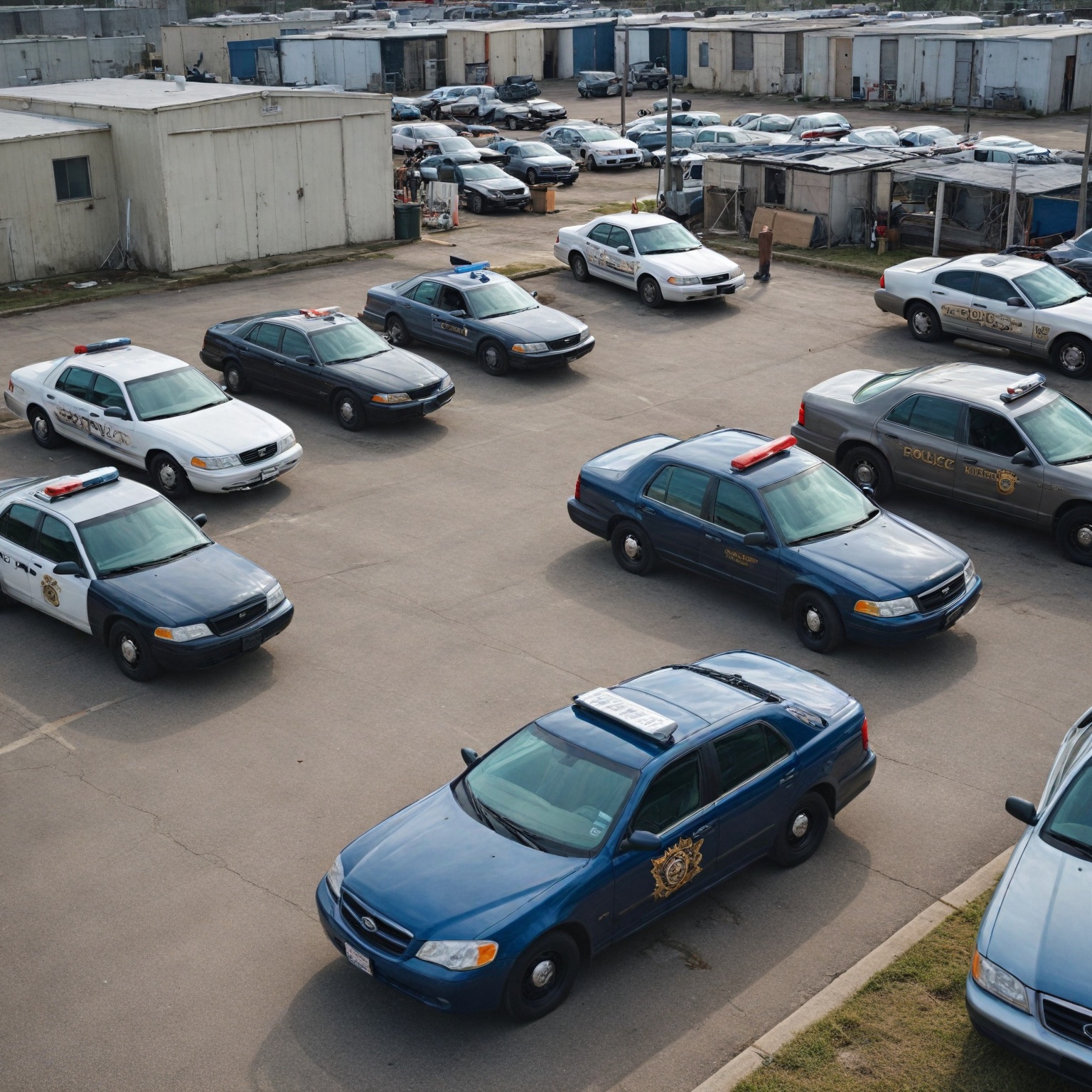
- Police impounded cars offer significant savings for budget-conscious buyers seeking affordable transportation.
- Engaging in online auctions can provide access to reliable vehicles at competitive prices.
Summary
Affordable police impounded cars are vehicles seized and held by law enforcement agencies due to various infractions, including traffic violations, involvement in criminal activity, abandonment, or non-payment of fines. Once unclaimed by their owners, these vehicles are typically sold at public auctions, offering buyers the opportunity to purchase cars at prices significantly below market value. This market attracts budget-conscious buyers seeking affordable transportation, as well as dealers and hobbyists interested in salvage or repair projects.
The auction process for police impounded cars is governed by legal and procedural safeguards intended to protect vehicle owners’ rights while enabling law enforcement to remove unsafe or unlawfully used vehicles from public roads. Vehicles are usually sold “as-is,” without warranties, and may vary widely in condition—from operable retired police cruisers to damaged or salvage-title cars. Buyers should be aware of risks such as limited vehicle history, potential hidden damages, and additional fees including buyer’s premiums.
In recent years, online auction platforms and local police departments have expanded access to impounded vehicle sales, making the process more convenient and competitive. Popular models in police fleets, such as the Ford Explorer and Dodge Charger, often appear at these auctions, providing options for reliable, rugged vehicles at affordable prices. However, success in acquiring a good deal typically requires research, vehicle inspection, budgeting, and understanding of auction procedures.
Despite the affordability, purchasing police impounded cars involves certain controversies and challenges, including concerns about the legality and fairness of impoundments, potential disputes over vehicle ownership post-sale, and the inherent uncertainties of buying vehicles sold without warranties. Prospective buyers are advised to carefully weigh these factors and seek expert advice when considering such purchases.
Overview
Police impounded cars are vehicles seized by law enforcement for various reasons, including involvement in criminal activity, traffic violations, or abandonment. Common grounds for impoundment include driving without a valid license, driving while intoxicated, reckless driving, or the vehicle itself serving as evidence in a crime. Many impounded cars are also seized due to non-payment of finance agreements or because they were towed and stored after being deemed unsafe or abandoned on public property.
These vehicles are held in impound lots, often referred to as “pounds,” until the owner reclaims them, they are recycled, stripped for parts, or sold at auction. The auctioning of impounded vehicles provides an opportunity for the public to purchase cars at significantly reduced prices, often below market value, making them attractive options for budget-conscious buyers.
The impoundment process follows legal procedures where police must have reasonable cause to seize a vehicle. Impoundment is typically justified when the vehicle is evidence of a crime, poses a community safety risk, or when traffic regulations explicitly authorize it. Law enforcement is required to consider alternatives to impoundment, such as relocating the vehicle, before taking it into custody.
In recent years, police vehicle fleets have shifted from traditional sedans to SUVs and crossovers, with popular models including the Ford Explorer, Chevrolet Tahoe, and Dodge Durango. These models often appear in police auctions, alongside classics like the Ford Crown Victoria and Dodge Charger, providing a range of options for buyers seeking reliable and rugged vehicles.
Purchasing a police impounded car at auction involves careful research, vehicle inspection, and budgeting to secure the best deal. Interested buyers are advised to attend preview days, sign up for auction alerts, and seek advice from experienced auction participants to navigate the process successfully.
Acquisition of Police Impounded Cars
Police impounded cars are vehicles seized by law enforcement due to various infractions, including driving without a license, driving under the influence, or involvement in criminal activity. These vehicles are often sold at government or police auctions open to the public, providing an opportunity to purchase cars at a fraction of their market value.
Auction Process
Impounded cars typically enter auction after the owner fails to resolve outstanding issues such as payment of fines or retrieval of the vehicle within a specified timeframe. Once these conditions are met, the vehicle is auctioned to recover towing and storage costs. Auctions are commonly held at impound lots or through online platforms, making participation accessible both in person and remotely. Scheduled auction dates and vehicle inventories are usually posted on official impound lot websites or auction platforms.
During auctions, the highest bidder wins the vehicle. However, factors such as large crowds can drive bidding prices higher, so searching for auctions in less populated areas or those that receive less publicity may increase chances of securing a deal. Prospective buyers are advised to attend preview days if available to inspect vehicles beforehand and to sign up for auction alerts or join community forums to stay informed and receive buying tips.
Types of Vehicles and Conditions
Auction inventories can include impounded cars, abandoned vehicles, seized cars involved in criminal cases, and retired police fleet vehicles. The condition of these vehicles varies widely; some may be clean titled and operable, while others might be salvage or damaged vehicles. Keys may not always be available at auction, and buyers should be prepared for potential additional costs related to vehicle repair or key replacement.
Legal and Procedural Considerations
The process of impounding and auctioning vehicles follows strict legal protocols to ensure due process. Owners are notified of impoundment and given a redemption period to reclaim their vehicles, during which personal belongings found in the car must be stored at no cost if the owner is present. If no claim is made after the notification period, which can vary by jurisdiction but often lasts around fifteen days, the vehicle is eligible for auction. Police generally conduct inventory searches of impounded cars upon seizure, with the scope of such searches depending on local laws.
Government entities such as the General Services Administration (GSA) and U.S. Treasury also conduct auctions for government-owned and forfeited vehicles, including impounded cars, which may offer additional buying opportunities.
Tips for Prospective Buyers
To maximize success in acquiring affordable police impounded cars, buyers should establish a clear budget before participating in auctions and consider exploring less popular auction locations to avoid bidding wars. Engaging with experienced auction participants through forums and social media can provide valuable insights and recommendations. Additionally, understanding the legal procedures and potential risks involved in buying impounded vehicles can help buyers make informed decisions.
Pricing and Affordability Factors
Vehicles sold at police impound auctions often present an affordable option for buyers, typically fetching prices lower than their market value due to factors such as condition, history, and the as-is sale status. Buyers should be aware that the final cost includes not only the winning bid but also additional fees, most notably a buyer’s fee charged by the auction company. This fee is applied to all vehicles sold above $20 and is paid directly to the auctioneer.
The affordability of these vehicles is influenced by several considerations. Many impounded vehicles are sold without warranties and in an “as-is, where-is” condition, which means buyers assume the risk regarding mechanical and cosmetic issues. The auctioning authorities usually have limited knowledge of the vehicle’s mechanical state beyond visible damage, and the presence of keys or accurate mileage may not be guaranteed. Additionally, the vehicle’s title status can vary, with some cars holding clean titles while others carry salvage titles depending on their condition.
To maximize affordability, prospective buyers are encouraged to research vehicle values beforehand, inspect available vehicles during pre-auction viewings if possible, and set a strict budget to avoid overspending during competitive bidding. Understanding all associated costs, including the buyer’s fee and any taxes or post-auction expenses, is crucial for an accurate assessment of the total purchase price. Ultimately, the lower starting prices and potential for significant savings make police impounded cars an attractive option for budget-conscious buyers willing to accept the risks involved.
Vehicle Condition and Inspection
When considering the purchase of police-impounded cars, it is crucial to thoroughly assess the vehicle’s condition prior to finalizing any transaction. These vehicles are typically sold “as is,” meaning they are in the exact state they were in at the time of impoundment, without any repairs or modifications made by the auction house or police department. Consequently, damages—both visible and mechanical—may be present.
Common issues found in impounded vehicles include damage to the steering system, transmission, and tires. Such damages often occur during the towing process or while the vehicle is stored in the impound lot. For example, a tire may be damaged during towing and then sit on a bare wheel for an extended period, causing bending or warping. Because the vehicles remain untouched, any pre-existing problems are generally unchanged when offered for auction.
Given these risks, prospective buyers are strongly advised to have the vehicle inspected by a certified mechanic before bidding or purchasing. A professional inspection can help confirm the car meets safety standards and identify any hidden mechanical faults. Buyers should also perform their own visual inspections using appropriate tools to evaluate the condition of the vehicles they are interested in.
Furthermore, the police conduct an inventory search when impounding a vehicle to document its contents and condition, aiming to protect themselves from liability related to theft or hidden dangers. However, this inventory is not intended to guarantee the mechanical soundness of the car. Therefore, even if the inventory shows no issues, mechanical faults may still exist.
Risks and Drawbacks for Buyers
Purchasing vehicles from police impound auctions carries several risks and potential drawbacks that buyers should carefully consider. One significant concern is the limited information available about the vehicle’s history and condition. Unlike traditional purchases from dealerships or private sellers who typically provide detailed documentation, police auction cars often come with minimal or incomplete paperwork, making it difficult to assess their true state.
Additionally, vehicles sold at these auctions may have sustained damage either prior to impoundment or during the towing and storage process. While some damage might occur at the time of the initial arrest or tow, new issues can arise while the vehicle is stored, especially in unsecured or high-volume impound lots. Responsibility for damage depends on when and how it happened; if the damage occurred under police control or at the contracted storage facility, buyers may have grounds for a claim. However, verifying this can be challenging.
Another risk involves the vehicle’s legal status. There is the possibility that the original owner retains a spare key or legal claim to the vehicle, which could lead to complications post-purchase, including the vehicle being reclaimed. Buyers should be aware of such scenarios as they are not uncommon in municipal auctions.
Buyers must also consider additional costs that may not be immediately apparent. Beyond the final bid price, auctions typically charge a buyer’s fee that is payable directly to the auction company. This fee is added on top of the sale price and should be factored into the overall budget to avoid unexpected expenses. Furthermore, limited warranties or guarantees accompany these sales, meaning vehicles are usually sold “as-is” without assurances of mechanical reliability.
Finally, the competitive nature of auctions can lead buyers to overbid or make impulsive decisions. Without a clear budget or thorough research on vehicle values, participants risk overspending or acquiring vehicles that require costly repairs, negating the initial savings advantage.
Strategies and Best Practices for Buyers
When purchasing affordable police impounded cars at auction, buyers should adopt several key strategies to ensure a successful and cost-effective acquisition. Researching vehicle values prior to the auction is essential; understanding the market price of similar models allows bidders to set realistic expectations and avoid overpaying. Setting a maximum bid in advance is a crucial step to prevent being swept up in competitive bidding wars, which can lead to overspending.
Inspecting the vehicles before bidding is highly recommended. Many auctions provide pre-auction viewing periods that vary based on the number of vehicles available—ranging from one to three hours—and buyers should take advantage of these opportunities to assess vehicle condition personally or with the help of a qualified mechanic. This inspection helps identify any potential issues or damages that might affect the car’s value or usability.
Buyers should also prepare for the auction day by bringing cash or proof of an approved loan, as many police auctions require immediate payment upon winning a bid. Awareness of additional costs, such as buyer’s fees or taxes, is important since these fees are typically added to the final sale price and payable directly to the auction company.
Remaining calm and observant during bidding is advised. Avoid displaying excessive enthusiasm, which can attract competition, and watch other bidders’ tactics to adjust your own strategy accordingly. It is important to remember that a winning bid constitutes a binding contract; failure to honor payment obligations may result in legal consequences and disqualification from future auctions.
By thoroughly preparing through research, inspection, budgeting, and understanding auction rules, buyers can take full advantage of the opportunity to purchase affordable used vehicles through police impound auctions while minimizing risks and unexpected expenses.
Notable Auction Platforms and Agencies
Several platforms and agencies facilitate the sale of affordable police impounded cars, offering a wide range of vehicles including surplus fleet cars, drug-seized cars, and impounded or abandoned vehicles. These auctions are often open to the general public and can be attended both in person and online, providing accessible opportunities for buyers nationwide.
One prominent resource is the Police Auctions USA Directory, created by Greg Smokes, which helps connect buyers with local and online police auctions throughout the United States. This directory features not only police vehicles but also government surplus items such as equipment and heavy machinery.
Online auction platforms have become increasingly popular due to their convenience and comprehensive listings. RideSafely is a leading example, offering free registration and access to a broad spectrum of auctions, including those hosted by IAA and Copart. These platforms provide detailed vehicle photos, condition reports, and customer support to enhance the buying experience. Registration typically requires identification and a security deposit to ensure secure bidding.
Local governments and police departments also regularly hold public auctions for impounded vehicles, which can be found through online platforms or by attending in-person auctions. Financial institutions sometimes conduct repossessed vehicle auctions as well, adding another avenue for acquiring affordable impounded cars.
To stay informed about upcoming auctions, potential buyers are encouraged to sign up for auction email alerts, follow social media accounts dedicated to police auctions, and participate in online forums or local community groups. Attending preview days before auctions and setting a clear budget are additional strategies that help ensure a successful bidding process.
Legal and Ethical Considerations
The process of towing, impounding, and auctioning privately owned vehicles (POVs) by law enforcement is governed by a set of standards and procedures designed to balance public safety interests with the constitutional rights of vehicle owners. These policies emphasize crime prevention, traffic safety, and the orderly movement of traffic, while also protecting owners’ due process rights and safeguarding against unreasonable search and seizure, as well as deprivation of private property.
Impoundment of vehicles is generally permitted under three primary circumstances: when the vehicle is evidence of a crime, when impoundment is necessary as part of the police’s community caretaking function (such as preventing traffic hazards), or when authorized by specific traffic regulations. However, the decision to impound must be reasonable, and the burden lies with the state to demonstrate this reasonableness. Moreover, law enforcement officers have an affirmative duty to consider alternatives to impoundment whenever feasible, including legally parking and securing the vehicle or identifying an alternate driver.
When a vehicle is impounded, law enforcement officers typically conduct an inventory search of the vehicle’s contents to document personal property and ensure the vehicle’s security. These searches must be carried out consistently, reasonably, and within the bounds of the law. If officers exceed the standard procedures during such inventory searches, the vehicle owner may have grounds to challenge the legality of the search, especially if evidence of a crime is discovered. Despite the existence of written procedures within agencies, their legality is not absolute but can
Case Studies and Buyer Experiences
Buying police impounded cars at auctions has become increasingly popular among bargain hunters and used car buyers seeking affordable vehicles. Many buyers report significant savings compared to market prices, as these cars often sell below typical retail values due to their condition or history. However, the competitive nature of such auctions, driven by high demand, can make the process challenging and sometimes stressful.
One common experience among buyers is the importance of thorough research and inspection prior to bidding. Attending pre-auction viewings and, if possible, arranging for an independent mechanic to evaluate the vehicle can provide peace of mind and help determine whether a car is worth the investment. Some platforms even allow prospective buyers to have a mechanic inspect the vehicle on their behalf, which can be crucial given the limited opportunity to physically assess the cars before auction.
Buyers often note that the visible condition of the vehicle is a key indicator of its overall state. Since many police impounded vehicles are sold “as-is,” what you see on the exterior—such as wheels, tires, and panels—can influence whether the purchase will be profitable, especially for those who plan to resell parts or repair the car for personal use. The fact that these cars have reached the auction stage generally means they are operational, but their maintenance history and potential hidden damages vary widely.
Some anecdotal cases highlight the risks involved. For instance, fleet vehicles that become impounded due to involvement in criminal incidents or accidents—such as a vehicle damaged in a police chase—may have hidden issues that affect their value and usability. This underscores the need for cautious bidding and realistic budgeting.