Highlights
- Police impounded cars can be acquired at significantly lower prices than traditional used car sales.
- Auctions offer diverse vehicle options, fostering opportunities for budget-conscious buyers and car enthusiasts.
- Understanding the legal complexities and challenges is crucial for effective participation in impound car auctions.
Summary and Overview of Police Impounded Cars
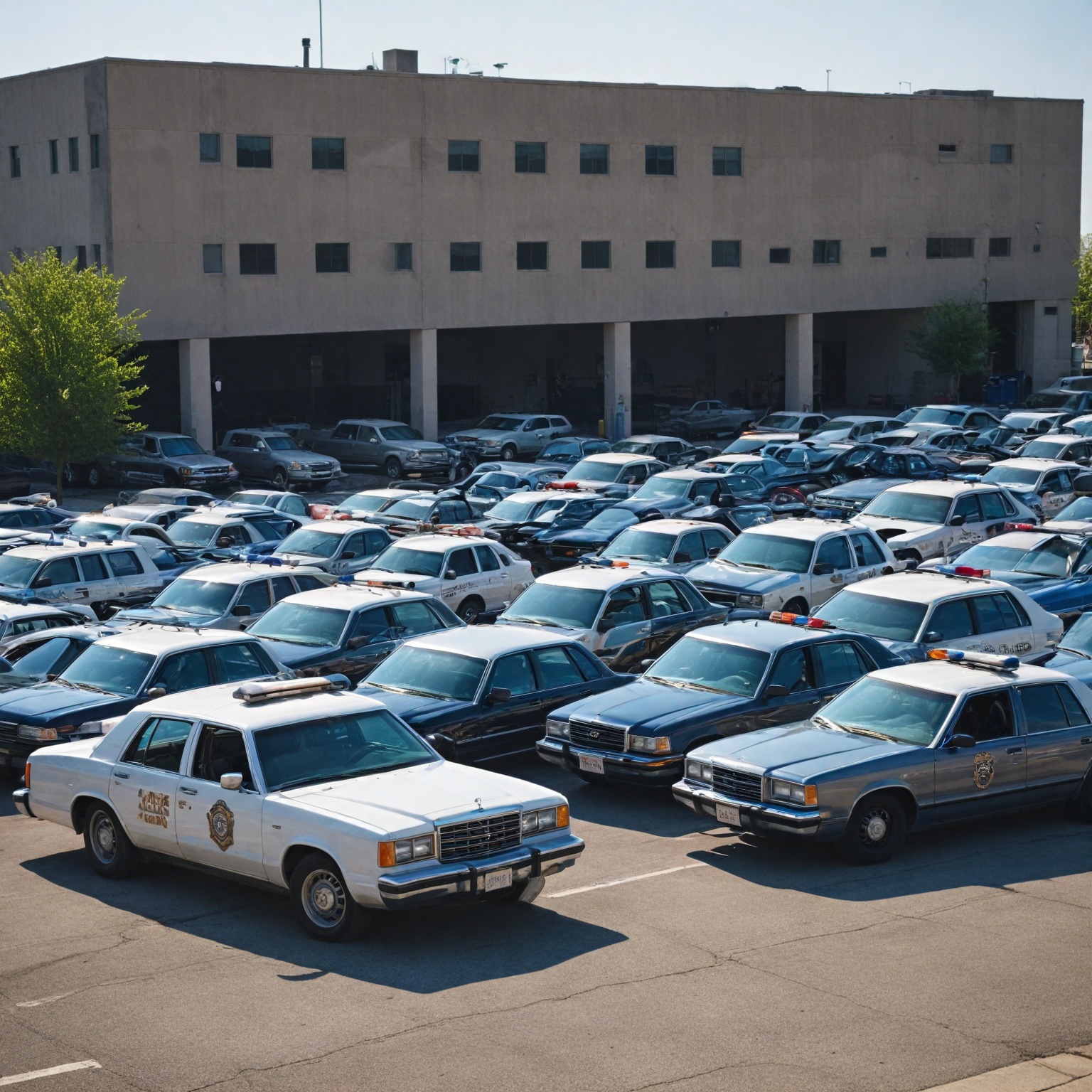
Police impounded cars are seized vehicles held by law enforcement for reasons such as traffic violations, criminal involvement, or abandonment. They remain in custody until owners reclaim them or they are sold at public auctions if unclaimed. These auctions offer affordable vehicles but pose challenges like unclear histories and legal issues. The impoundment process follows legal protocols balancing public safety and owners’ rights, including inventory searches and owner notifications. Police fleets now often include SUVs and crossovers, which may also appear in auctions.
Impoundment Procedures and Vehicle Release
Vehicles are impounded when involved in crimes, evidence, or safety hazards, with officers encouraged to consider alternatives first. Inventory searches protect owners’ property and police liability but must not be used to gather criminal evidence unlawfully. Impounded cars are stored securely and owners notified, with reclamation requiring fees and legal compliance. Unclaimed vehicles are declared abandoned and auctioned, with proceeds covering fees and any surplus returned to owners. Early release may be granted under certain conditions.
Acquiring Police Impounded Cars
Unclaimed impounded vehicles are sold at public auctions organized by police or local governments, often advertised online or via official websites. Buyers must register and may inspect vehicles before bidding. Sales are typically “as-is,” and post-purchase procedures include title transfers and resolving liens. Complex title issues can arise, and the market is often dominated by professional resellers. Auctions include a variety of vehicles, from common sedans to rare models.
Pricing, Market Dynamics, and Buyer Considerations
Police impounded cars usually sell below market value, offering cost savings despite potential repair and administrative expenses. Auctions can be competitive, with professionals driving up prices. Buyers benefit from quick transactions but must research thoroughly, inspect vehicles, and understand legal paperwork to avoid complications. While impounded cars can be well-maintained, many require additional investment post-purchase.
Risks, Challenges, and Legal Considerations
Risks include uncertain vehicle conditions, hidden damages, unresolved liens, and unclear titles. Legal disputes may arise over impoundment legality, inventory searches, and ownership claims. Police procedures must comply with legal standards to avoid evidence suppression or liability issues. Original owners face financial and emotional burdens reclaiming vehicles, often needing legal help to resolve disputes.
Tips for Buyers and Auction Participation
Prospective buyers should research vehicles in advance, attend smaller auctions, and inspect cars when possible. Registration typically requires valid ID and age verification. Understanding auction rules, title transfer processes, and legal documentation is essential. Awareness of inventory search protocols and potential legal issues helps buyers navigate risks. Auctions occur after vehicles remain unclaimed beyond a set period and fees are deducted from sale proceeds.
Auction Platforms and Sources
Police impound auctions are publicized via official police websites, local government portals, and specialized auction platforms. Auctions may be held in person or online, with vehicle inspections offered before bidding. Registration and identification are required to participate. These auctions help agencies recover costs by selling seized or surplus vehicles, with proceeds often funding community programs.
Legal and Ethical Frameworks
Impoundment laws aim to balance public safety with owner rights, requiring reasonable grounds and consideration of alternatives. Administrative hearings address disputes over fees and impound validity. Searches during impoundment must follow strict protocols to ensure legality. Police are responsible for vehicle safekeeping until transfer to tow operators. Unpaid impound fees can lead to police ownership and subsequent auction or official use of vehicles.
Case Examples
Vehicles may be impounded as evidence, during criminal investigations, or to remove hazards. Traffic stops involving suspected contraband often result in extended impoundments. Inventory searches protect police from liability but may be legally contested if improperly conducted. These cases illustrate the legal and practical reasons for impoundment and influence the condition and availability of vehicles at auction.
The content is provided by Harper Eastwood, Gear Shift Zone