Highlights
- Evaluate mechanical condition and compatibility to ensure a reliable used tractor purchase.
- Conduct thorough inspections and research to avoid costly mistakes and hidden defects.
Summary and Importance of Evaluating Used Tractors
Buying a used tractor is a major investment requiring careful evaluation to avoid costly repairs and downtime. Key factors include mechanical condition, usage history, compatibility with implements, transmission and brakes, hydraulic and electrical systems, and overall visual condition. Thorough inspections, ideally with professional help, reveal hidden issues such as engine wear or leaks. Proper evaluation ensures the tractor meets specific farming needs, maximizes value, and supports long-term reliability.
Key Factors to Consider Before Buying
Evaluate mechanical condition by checking the engine for leaks, noises, and wear; inspect tires and hydraulic, coolant, and fuel lines. Review maintenance records and operating hours to assess upkeep. Confirm compatibility with existing implements and availability of spare parts. Test the transmission and brakes for smooth operation and safety. Inspect the hydraulic system for leaks and fluid quality. Check electrical components and battery condition. Visual signs like unusual exhaust smoke or neglect can indicate deeper problems.
How to Inspect a Used Tractor
Conduct a walk-around to spot visible wear, leaks, or damage. Start the engine and observe exhaust smoke colors for engine health. Listen for abnormal sounds and test transmission and shuttle shift for smooth operation. Assess brakes by locking a wheel and checking tractor response. Verify controls, gauges, and electrical systems function properly. Operate hydraulic functions, inspecting fluid condition and leaks. When possible, engage a professional mechanic for advanced diagnostics to detect hidden faults.
Where to Buy Used Tractors
Used tractors can be purchased from specialized dealerships offering expert guidance and warranties, farm equipment auctions providing competitive pricing, and online marketplaces with broad inventories. Each option has unique benefits and risks, so buyers should research and seek expert advice to ensure fair pricing and suitable equipment.
Common Hidden Problems and Warning Signs
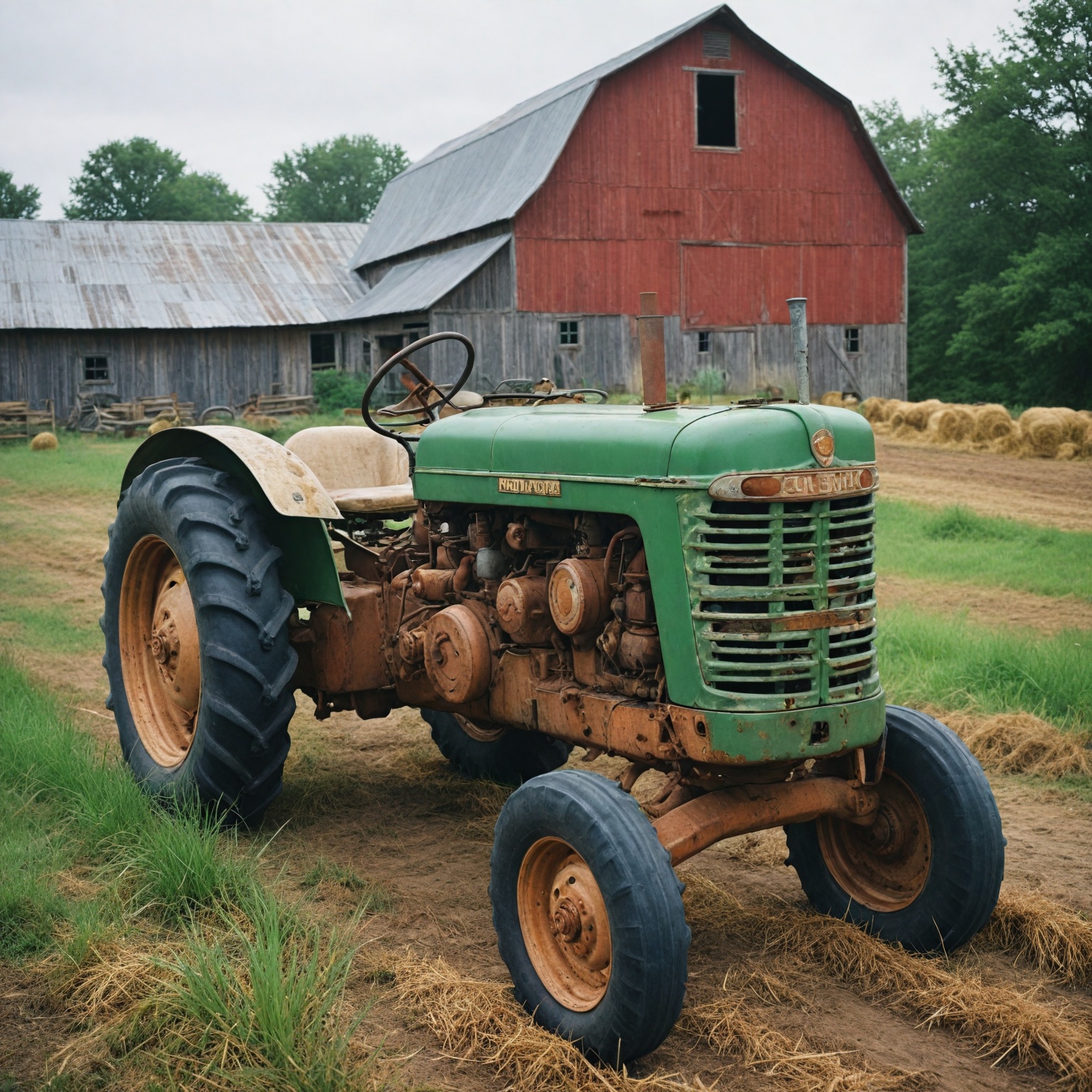
Look for signs of poor maintenance such as peeling paint, rust, oil leaks, and worn tires. Engine smoke colors reveal issues: white smoke suggests a head gasket or water problem, blue smoke indicates oil burning, and black smoke points to fuel or air system faults. Electrical problems often stem from battery or cable corrosion. Check hydraulic lines for leaks and replace worn hoses. Transmission fluid condition is crucial to prevent slipping and damage. Inspect spark plugs and carburetors for performance issues.
Common Mistakes to Avoid
Avoid buying without verifying the tractor’s service history or from unreliable sources. Don’t overlook physical condition or skip a thorough inspection. Ensure a test drive to evaluate steering, gears, brakes, and PTO. Confirm compatibility with existing implements to prevent operational problems. Paying close attention to these aspects reduces risk and supports an informed purchase decision.
The content is provided by Harper Eastwood, Gear Shift Zone