7 Key Benefits of a Career in Hospital Cleaning: Why You Should Consider It
Highlights
- Hospital cleaning is crucial for preventing healthcare-associated infections and ensuring patient safety.
- This career offers job stability, competitive compensation, and opportunities for professional growth.
Summary and Overview of Hospital Cleaning Careers
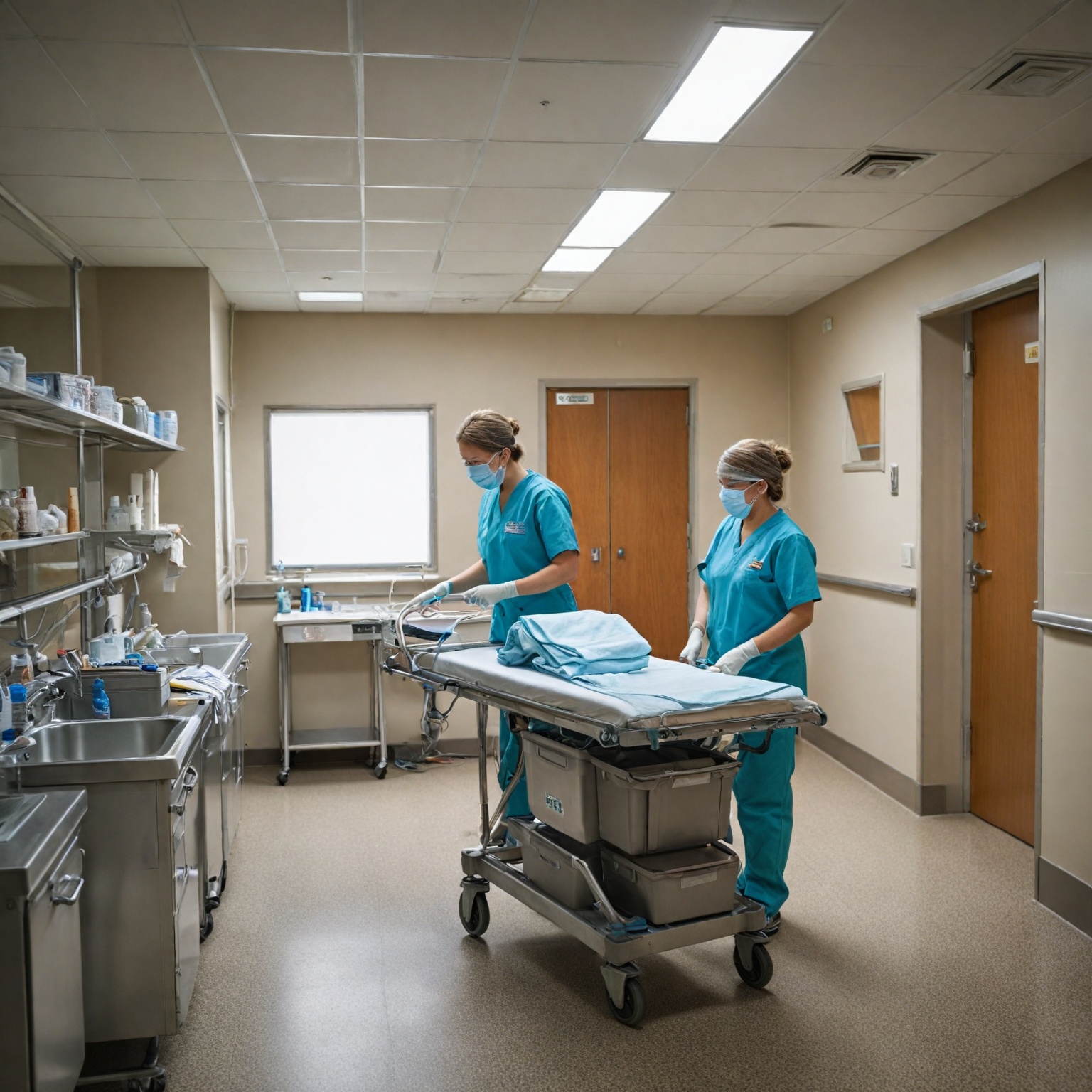
Hospital cleaning careers involve maintaining hygienic environments in healthcare facilities to protect patients, staff, and visitors. Roles range from entry-level cleaning to specialized positions like infection control specialists, covering tasks such as sanitizing patient rooms, operating theaters, waste management, and laundry. These professionals are vital in preventing healthcare-associated infections (HAIs) and supporting hospital operations.
Hospital cleaning staff typically work under supervision and require skills in sanitation, communication, and sometimes additional areas like groundskeeping. The sector offers flexibility with opportunities in hospitals, clinics, research facilities, and home care, along with varied educational paths from certifications to advanced degrees.
Benefits and Career Growth
Careers in hospital cleaning provide job stability due to the continuous demand in 24/7 healthcare settings. On-the-job training and certifications enable professional advancement into supervisory or specialized roles such as infection control. The work offers personal satisfaction through contributing to patient safety, flexible scheduling, and competitive compensation with benefits. Growing healthcare infrastructure and rising hygiene standards further enhance career prospects.
Health and Safety Protocols
Hospital cleaning requires strict adherence to health and safety standards, including OSHA’s bloodborne pathogens regulations and use of personal protective equipment (PPE) like gloves and masks. Certified training focuses on infection control, biohazard handling, waste disposal, and cleaning of medical equipment to reduce HAIs. These protocols protect staff and support healthcare workers by maintaining safe, organized environments and often include vaccination requirements to minimize viral transmission.
Education and Certification
Most hospital cleaning roles do not require formal degrees, with many workers holding a high school diploma or less. Certifications such as ISSA Healthcare Surfaces Institute (HSI) and International Executive Housekeepers Association (IEHA) validate expertise in infection control and housekeeping management. Ongoing education through webinars and training programs helps maintain current knowledge, supporting career advancement and professionalism.
Career Pathways
Entry-level positions include hospital cleaners and housekeepers responsible for sanitization tasks critical to infection prevention. With experience, workers can advance to supervisory roles or specialize in infection control. Hospital cleaning professionals can work in varied settings, aligning roles with personal interests. Leadership roles offer opportunities to develop teams and maintain high cleanliness standards, contributing meaningfully to patient care and hospital efficiency.
Challenges and Considerations
Hospital cleaning workers often face limited recognition and heavy workloads, leading to job stress. They must manage chemical hazards and potential infectious exposures using EPA-approved disinfectants and PPE. Emotional strain from healthcare environments, workplace conflicts, and insufficient institutional support can affect job satisfaction. Effective management and support are essential to address these challenges and improve worker well-being.
Personal Rewards and Job Satisfaction
Many hospital cleaning professionals find fulfillment in supporting patient health and hospital operations. Leadership roles offer additional satisfaction through mentoring and maintaining high standards. However, factors like limited advancement, scheduling issues, financial stress, and emotional demands can reduce job satisfaction. Institutional support, job security, and personal development opportunities are key to fostering positive work experiences.
The content is provided by Harper Eastwood, Gear Shift Zone