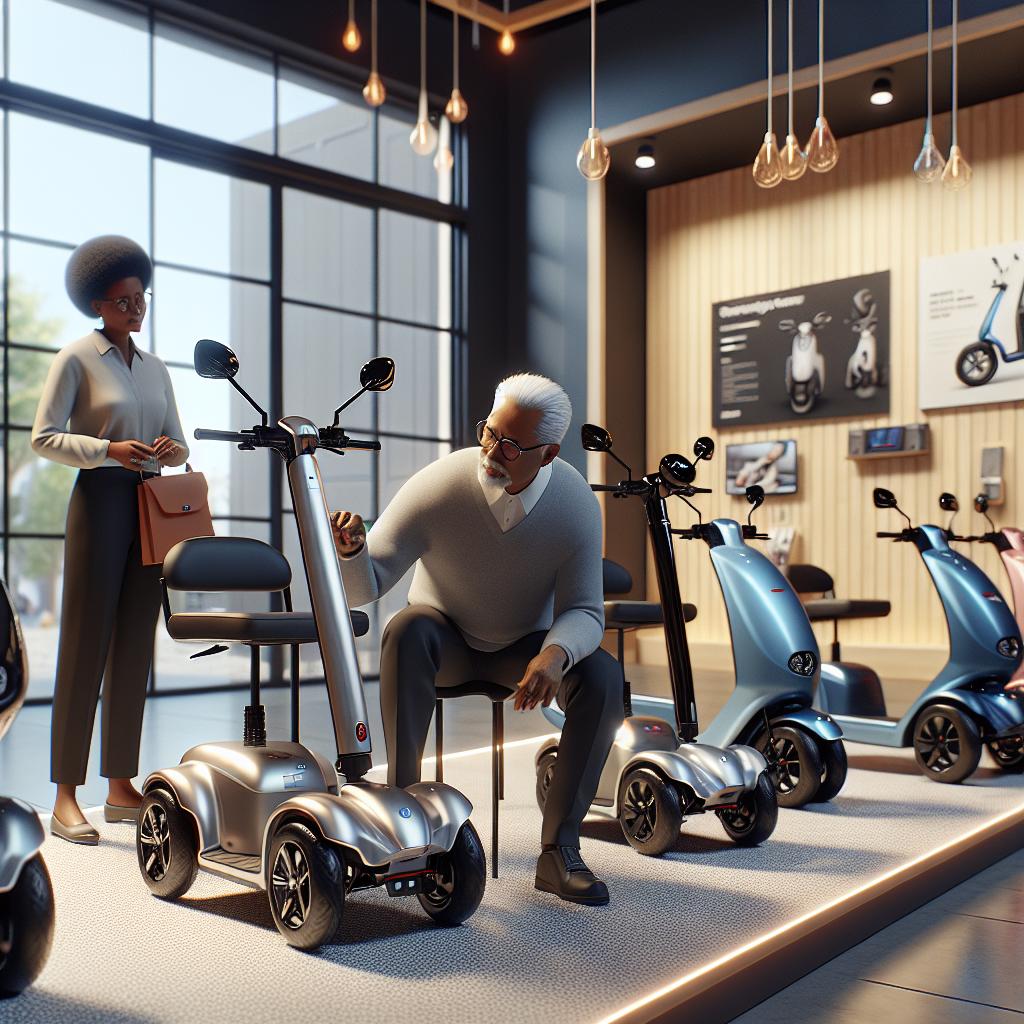
Highlights
- Electric mobility scooters enhance independence for elderly and disabled individuals while promoting eco-friendly transportation.
- The market is projected to reach $14.5 billion by 2025, driven by technology and sustainability initiatives.
Summary
Electric mobility scooters have become an increasingly vital solution for enhancing mobility and independence, particularly among elderly and disabled populations. By 2025, these devices have evolved into sophisticated, eco-friendly transportation options that address a growing global demand driven by aging demographics and urban micro-mobility needs. Advances in battery technology, smart connectivity, and ergonomic design have significantly improved scooter performance, comfort, and safety, making them more accessible and appealing to a broader range of users beyond traditional markets.
The electric mobility scooter market is projected to reach approximately $14.5 billion in 2025, reflecting rapid growth supported by technological innovation and government initiatives promoting sustainable mobility solutions. Leading models now offer enhanced features such as extended battery range, adaptive safety systems, and AI-powered navigation, underscoring the increasing sophistication of these devices. These improvements not only facilitate greater independence for users but also align with global efforts to reduce greenhouse gas emissions by providing a clean alternative to gasoline-powered transport.
Choosing the right electric mobility scooter is critical to ensuring user comfort, safety, and satisfaction. Key considerations include weight capacity, motor power, battery performance, ergonomics, and portability, which collectively influence daily usability and long-term reliability. Consumers are advised to carefully assess these factors along with after-sales support and warranty options to avoid common pitfalls such as misleading claims or inadequate performance that can undermine user experience.
Despite these advances, experts caution that electric mobility scooters alone do not guarantee equitable or fully sustainable urban mobility, highlighting the need for integrated planning and regulation. Nonetheless, the 2025 landscape reflects a dynamic and rapidly maturing market poised to improve quality of life for millions while contributing to the broader shift toward smarter, greener transportation.
Overview of Electric Mobility Scooters
Electric mobility scooters have emerged as a sustainable alternative to conventional gasoline-powered vehicles, aligning with global efforts to reduce greenhouse gas emissions and promote eco-friendly transportation options. Traditionally favored by seniors and individuals with disabilities, the demographic appeal of these scooters is expanding to include younger users who utilize them for leisure, commuting, and micro-mobility within urban environments.
The primary market driver for electric mobility scooters is the rapidly aging global population. As more people face age-related mobility challenges, there is a growing demand for devices that offer convenience, independence, and enhanced quality of life for seniors. Technological advancements have played a critical role in this growth, resulting in scooters that are lighter, more portable, and equipped with smart features such as improved battery performance, suspension systems, and safety enhancements like disc brakes. These improvements increase usability and contribute to rider confidence and comfort during travel.
In 2025, the electric mobility scooter market is expected to reach significant economic milestones, with projections estimating a market size of approximately $14.5 billion by 2025 and a compound annual growth rate (CAGR) of 6.5% over the subsequent years. This growth is supported by government initiatives, reimbursement policies targeting elder care, and increasing awareness of the benefits electric scooters provide for independent living.
Leading models such as the Segway Ninebot Max G3, EMOVE Touring, Fluid Freeride Mosquito, and Segway E2 Plus exemplify advancements in performance and design, offering speeds up to 28 mph and ranges exceeding 40 miles, tailored to meet the diverse needs of urban commuters. Manufacturers emphasize combining rugged performance with user-friendly design to empower confident and sustainable urban travel. However, some experts caution that electric scooters alone do not guarantee sustainability or equitable mobility solutions in cities, highlighting the need for comprehensive urban planning.
Importance of Choosing the Right Scooter
Selecting the appropriate electric mobility scooter is crucial because it directly impacts the user’s comfort, safety, and overall experience. With over a billion people worldwide facing significant mobility challenges, the need for a scooter that matches both physical requirements and lifestyle is more important than ever. A well-chosen scooter can improve independence and quality of life by providing reliable and comfortable transportation tailored to individual needs.
Key factors influencing this decision include ergonomic design elements such as seat height, padding, and overall build quality, which affect daily usability and comfort. Additionally, considerations like range, speed, portability, and safety features ensure the scooter can meet the user’s specific circumstances and environment. Understanding model differences and after-sales support is essential to maintain long-term satisfaction and performance. A thorough evaluation of these aspects enables users to make confident and informed choices that best suit their mobility requirements.
Key Considerations When Choosing an Electric Mobility Scooter in 2025
When selecting an electric mobility scooter in 2025, several important factors should be taken into account to ensure the device meets individual needs and provides a safe, comfortable, and efficient riding experience.
User Weight and Scooter Capacity
One of the primary considerations is the scooter’s weight capacity. It is essential to choose a model with a maximum payload that comfortably exceeds the user’s weight to avoid strain on the motor and mechanical components. Exceeding this limit can lead to decreased performance, reduced climbing ability, and potential malfunctions, compromising both safety and longevity of the scooter.
Motor Power and Terrain Compatibility
The motor’s wattage plays a crucial role, especially for users who regularly encounter hilly or uneven terrain. Higher wattage motors provide better torque, enabling smoother climbs and more reliable performance on inclines. For flat urban environments, a lower-powered motor may suffice, but riders should always consider their typical routes and daily conditions when making a choice.
Battery Range and Charging Technology
Battery technology has advanced significantly by 2025, offering longer ranges and faster charging times. Top models now feature batteries capable of exceeding 40 miles per charge with ultra-fast or wireless charging options. Some scooters incorporate thermal runaway protection and cell-level monitoring systems to enhance safety and prolong battery life. Users should assess expected daily travel distance and opt for batteries that meet or exceed those needs.
Ergonomics and Comfort
Ergonomic design is vital for long-term usability and comfort. Adjustable seating, padded armrests, and quality suspension systems help reduce fatigue and discomfort, especially for users who spend extended periods on their scooters. Proper ergonomics can prevent pressure sores and improve posture, contributing to better overall health and mobility.
Safety Features and Smart Technology
Safety remains a top priority in 2025 models, which often include advanced features such as adaptive headlights, obstacle detection sensors, and dual braking systems combining electronic and mechanical components for smooth, controlled stops. Electric mobility scooters increasingly integrate AI and IoT technologies, offering real-time navigation assistance, predictive maintenance alerts, remote locking, and GPS tracking to prevent theft and enhance user security.
Portability and Size
The size and weight of the scooter impact portability and storage options. While high-performance scooters may offer superior speed and range, they often weigh over 100 pounds, making them difficult to carry or maneuver in tight spaces. Users should balance performance needs with practical considerations such as ease of transport and storage.
Additional Practical Considerations
Accessories like handlebar bags, baskets, and alarm systems add convenience and security for everyday use. Considering lifestyle factors such as typical travel environments, daily routines, and personal mobility challenges helps choose a scooter that supports both functional needs and emotional well-being by promoting independence.
By evaluating these aspects—weight capacity, motor power, battery life, ergonomics, safety features, portability, and accessories—users can select a scooter offering optimal performance, comfort, and security tailored to their individual requirements in 2025.
Technological Advancements in 2025
The year 2025 marks a significant leap forward in electric mobility scooter technology, driven by innovations in battery performance, smart connectivity, and materials engineering. Solid-state batteries, replacing traditional liquid electrolytes with solid materials, are anticipated to become more common, offering longer ranges, faster charging times, and improved safety by mitigating thermal runaway risks. Lithium-ion batteries continue to improve with enhanced lifespans, recyclability, and integrated smart management systems that monitor cell health and optimize charging patterns based on user habits, significantly extending durability and efficiency.
Charging innovations include ultra-fast charging, enabling full recharge in under an hour, and wireless charging that eliminates the need for physical connectors. These advancements support the growing reliance on electric scooters as practical urban mobility solutions.
Smart technologies leverage AI and IoT to enhance safety and user experience. AI-powered systems provide real-time navigation, predictive maintenance alerts, collision avoidance, and adaptive performance adjustments based on traffic and riding conditions. Manufacturers like Yabo simplify user interfaces with touchscreens and voice controls and offer customizable design options.
Material innovations such as lightweight, recyclable carbon fiber composites and bio-based plastics reduce environmental impact while improving portability and performance. High-quality frames, durable tires, and waterproof designs ensure scooters can handle diverse terrains and weather conditions while maintaining longevity.
Together, these advancements position 2025 electric mobility scooters as smarter, safer, and more sustainable transportation options, meeting the evolving needs of urban commuters and individuals with mobility challenges alike.
Benefits of 2025 Advancements for Elderly and Disabled Users
Electric mobility scooters in 2025 offer significant benefits for elderly and disabled users, enhancing their independence, comfort, and safety. These advancements respond directly to the increasing needs of an aging population and individuals with mobility challenges, making everyday activities more accessible and manageable.
Enhanced Independence and Quality of Life
For seniors experiencing mobility issues, electric scooters provide a vital means to regain independence. The ability to move freely without relying on others improves physical health and mental well-being by enabling active social and recreational engagement. This growing demand is reflected in the projected expansion of the Elderly Electric Mobility Scooter market, expected to reach $14.5 billion by 2025, driven by demographic shifts and heightened awareness of mobility aids’ benefits.
Advanced Safety Features
Safety remains a top priority in the latest scooter designs. The 2025 models incorporate adaptive headlights that adjust to varying road conditions and built-in sensors to detect obstacles, helping users avoid accidents and ride with confidence. Battery safety is enhanced through thermal runaway protection and cell-level monitoring, preventing hazards and extending battery life. Smart algorithms optimize charging based on usage, and solid-state batteries improve both performance and safety.
Comfort and Ergonomic Improvements
Comfort is enhanced through better seating and ergonomic designs. Cushioned seats combined with quality suspension systems reduce discomfort and fatigue, important for users spending long periods on scooters. Ergonomically designed handlebars and controls reduce strain on wrists, hands, and shoulders, accommodating conditions like arthritis and reduced grip strength among older adults. Accessories such as cup holders, storage compartments, and phone mounts contribute to ease of use and convenience.
User-Centric and Customizable Designs
Modern scooters incorporate user feedback to tailor features addressing elderly and disabled riders’ unique needs, including extra-padded seats to alleviate joint pain and high-contrast displays with audible alerts for those with vision or hearing impairments. Such personalization promotes better posture and reduces secondary health risks like pressure sores.
Portability and Stability
Many 2025 scooters are lightweight and easily transportable, suitable for users who travel frequently or have limited storage space. Stability features include a wide base, anti-tip wheels, and bright LED front lights to maintain visibility and rider confidence in diverse environments.
Extended Protection and Warranty Support
Protection plans such as those offered by Extend provide coverage for accidental damage beyond the manufacturer’s warranty period, ensuring peace of mind and helping maintain scooter functionality over time, especially valuable for elderly and disabled users.
Maintenance and After-Sales Support
Proper maintenance and reliable after-sales support are crucial to ensuring scooter longevity and optimal performance. Regular maintenance prevents unexpected breakdowns and keeps scooters running smoothly throughout their lifespan.
Electric scooters require less physical effort than bicycles and handle longer distances comfortably, but their mechanical complexity means maintenance can be more involved than simpler transport modes. Owners should anticipate ongoing expenses such as repairs, replacement parts, and potential aftermarket safety additions like lights or reflectors for budget models.
Extended warranty plans often provide peace of mind beyond the manufacturer’s base warranty, typically lasting up to three years. Some plans extend coverage by an additional two years, covering product failure and performance degradation under normal use. These warranties generally exclude damages from negligence, unauthorized modifications, accidents, natural disasters, and preventable issues unrelated to manufacturing defects. Some warranties are transferable if the scooter is sold.
Third-party accidental damage protection services like Extend cover repairs or replacements directly, effective from purchase and continuing after the manufacturer’s warranty expires. Proximity to authorized repair centers is important, as warranty coverage often excludes shipping costs, potentially increasing out-of-pocket expenses if located far from service centers.
Testing a scooter’s ergonomics and ease of control contributes to fewer maintenance issues, as comfortable, well-handled scooters are less prone to damage from mishandling or strain. Overall, balancing regular maintenance, suitable warranty coverage, and reliable after-sales support maximizes an electric mobility scooter’s value and lifespan.
Common Pitfalls and Deceptive Sales Practices
When purchasing an electric mobility scooter, buyers often encounter pitfalls and deceptive sales tactics leading to dissatisfaction or financial loss. Rushing into a purchase without adequate research can result in selecting a scooter that does not meet needs or expectations. Many focus solely on initial cost, overlooking ongoing expenses like maintenance, battery replacement, and necessary safety equipment such as lights and advanced brakes, which add significantly to total ownership cost.
Some buyers assume lower-priced models offer quality comparable to premium ones; however, intricate manufacturing, labor-intensive assembly, and specialized parts often justify higher prices for better performance and durability. Brand reputation also influences cost, with established manufacturers commanding higher prices due to perceived reliability and support.
Deceptive practices include overstating scooter capabilities such as battery life, speed, or weight capacity. Budget models may lack adequate safety features, requiring aftermarket additions that increase costs. Lack of clarity about local regulations can cause legal issues or fines, as laws surrounding electric scooter use continue evolving rapidly. Buyers should familiarize themselves with current legislation to avoid complications.
To avoid pitfalls, consumers should conduct thorough research, verify specifications with multiple sources, and consider total ownership costs rather than just purchase price. Understanding these issues helps ensure a satisfying and safe electric mobility scooter experience in 2025.
Comparing Popular Brands and Models in 2025
The 2025 electric mobility scooter market features a wide array of brands and models catering to diverse user needs and preferences. Leading companies such as Pride Mobility Products, Golden Technologies, Medical Depot, Huka, and Shoprider continue dominating alongside emerging manufacturers like ErgoConcept, Di Blasi, Afikim Electric Vehicles, and Sunrise Medical. These brands offer options balancing performance, comfort, and style.
Key evaluation factors include speed, battery life, portability, and overall design. The 2025 lineup is characterized by sleek, efficient, eco-friendly machines promising improved urban mobility through convenience and sustainability. Expert reviews note that while many scooters share core features, distinctions arise in handling, durability, and technological enhancements. Some models prioritize compactness for easy transport, while others emphasize longer battery range for extended use.
Market forecasts indicate continued growth in the Asia Pacific region for elderly electric mobility scooters, suggesting manufacturers are tailoring products to meet increasing demand for reliable, user-friendly options among older adults. This dynamic market encourages consumers to compare models not only on technical specifications but also on user-centric attributes such as comfort and adaptability.
The content is provided by Sierra Knightley, Gear Shift Zone