Highlights
- Mobility scooters enhance independence for individuals with limited movement, supporting daily accessibility needs.
- Pricing varies widely, reflecting advancements and brand positioning in a growing mobility aid market.
Summary
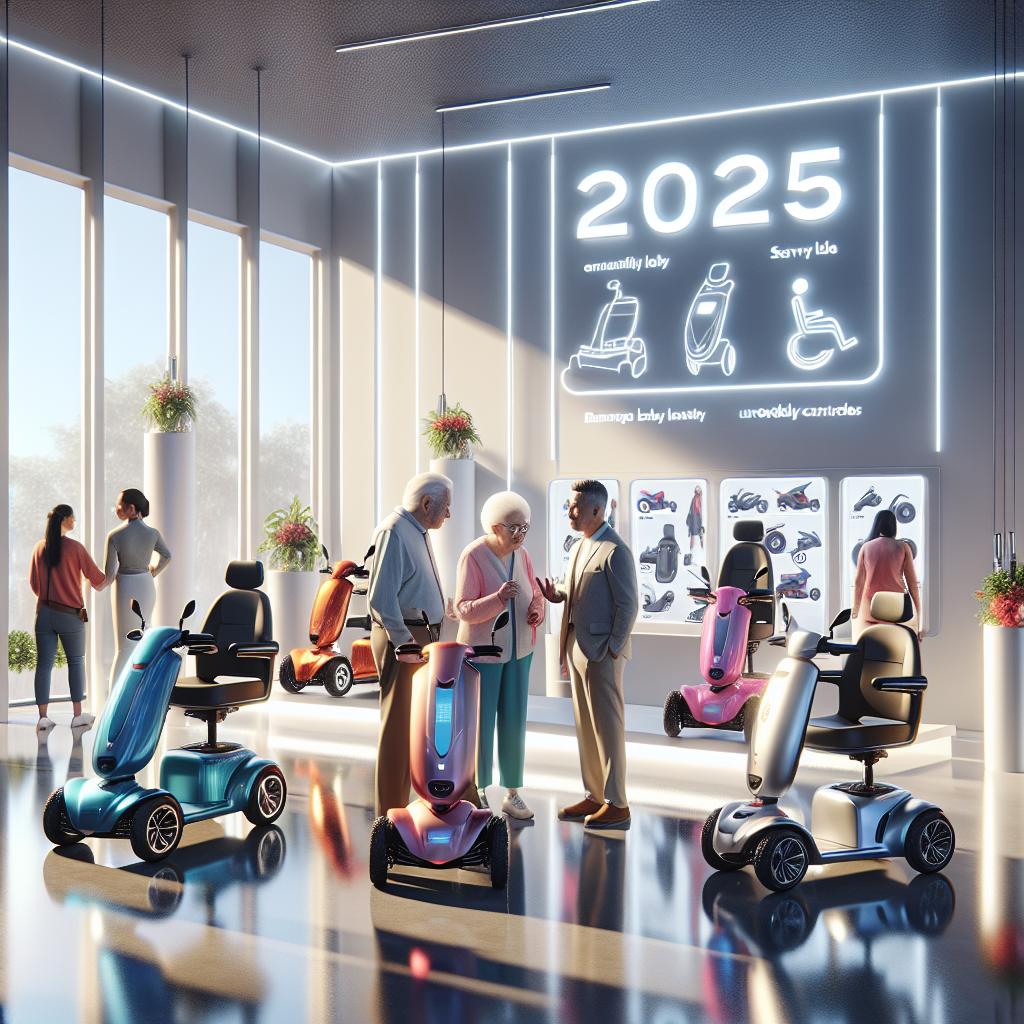
Mobility scooters have become essential mobility aids for individuals with limited movement, offering enhanced independence and accessibility in daily life. By 2025, these devices have evolved significantly through technological and design advancements, resulting in scooters that are more powerful, comfortable, and versatile than ever before. Available in a range of sizes and configurations, mobility scooters cater to diverse user needs, from compact travel-friendly models to robust all-terrain versions.
The price of mobility scooters in 2025 is shaped by a combination of critical features including motor type and power, battery technology, smart connectivity, portability, safety, and comfort enhancements. Advanced brushless motors, high-capacity lithium batteries, and integrated smart technologies such as GPS and app connectivity raise manufacturing costs but improve performance, convenience, and user experience. Portability innovations, such as ultra-lightweight and foldable designs, also command premium prices due to their specialized engineering and materials.
Brand positioning further influences pricing, with leading manufacturers like Pride Mobility and Invacare commanding higher prices by emphasizing product reliability, extensive warranties, and customization options. Market trends, including an aging population, urbanization, and the demand for more technologically sophisticated scooters, continue to drive growth and diversification of product tiers—from budget to premium—resulting in a broad price spectrum from approximately $350 to over $2,500.
However, these advancements and market dynamics also raise concerns about affordability and accessibility, as higher prices may limit options for lower-income users. Manufacturers attempt to address this through tiered product offerings and warranty plans, balancing innovation with cost considerations in a rapidly evolving mobility aid market.
Overview of Mobility Scooters
Mobility scooters have become indispensable tools for individuals with limited mobility, enabling greater independence and participation in daily activities. Advances in technology and design have significantly enhanced these devices, making the electric mobility scooters of 2025 more comfortable, functional, and capable than ever before. They come in a variety of sizes—small, medium, and large—to accommodate diverse user needs and preferences.
Key components such as the motor play a critical role in the performance of mobility scooters. Common motor types include Brushed DC Motors and Brushless DC Motors, each offering unique benefits. Brushed DC motors are known for their simplicity and reliability, while brushless motors provide greater efficiency and require less maintenance. Additionally, suspension systems are vital for outdoor or off-road use, ensuring smoother rides over rough terrain and enhancing overall performance.
Comfort and usability are paramount in scooter design. Features like adjustable, supportive seats, ample legroom, padded armrests, and ergonomic controls contribute to user satisfaction, especially for those with conditions like arthritis. Travel-friendly models that disassemble into manageable parts also provide convenience for users who frequently move their scooters or travel, with some even complying with airline regulations.
Key Features Affecting Prices in 2025
Several essential features influence the prices of mobility scooters in 2025, reflecting advancements in technology, user preferences, and performance requirements. These features collectively determine the initial purchase cost as well as ongoing maintenance expenses.
Motor Type and Power
The type and power of the motor are critical factors impacting price. Mobility scooters commonly use either DC motors or brushless motors. DC motors are valued for their simplicity and reliability but may require more power to handle steep inclines effectively. Brushless motors offer greater efficiency and lower maintenance needs, often commanding a higher price due to their advanced design. Motor wattage, typically ranging from 500 watts for gentle slopes to 1000 watts or more for steep hills, also affects the cost by influencing acceleration, top speed, and terrain handling capabilities. High-wattage motors increase performance but come at a premium.
Battery Technology and Capacity
Battery choice significantly affects scooter price. Three primary battery types are in use: Sealed Lead Acid (SLA), Absorbed Glass Mat (AGM), and Lithium Iron Phosphate (LiFePO₄). SLA batteries are the most affordable and common in budget models but have shorter lifespans and heavier weight. AGM batteries offer a balance of cost and performance, providing better vibration resistance and faster charging. LiFePO₄ batteries are the premium option, offering longer life, faster charging, lighter weight, and greater range, which substantially increases the scooter’s price. Additionally, larger batteries enhance ride duration and range but add to overall costs.
Smart Technology Integration
In 2025, the integration of smart technologies is a major price driver. Features such as GPS navigation, app connectivity, autonomous functions, AI, IoT capabilities, and advanced sensors increase manufacturing complexity and development costs. These smart features improve safety, personalization, and user convenience, making scooters appealing to tech-savvy seniors. However, the inclusion of such technology raises prices and may limit accessibility for lower-income buyers. Manufacturers mitigate this with tiered models offering basic to advanced smart functionalities.
Portability and Design
Portability is a defining trend in the 2025 market, heavily influencing prices. Ultra-lightweight and foldable scooters are increasingly popular, comprising about 45% of new models introduced in 2024–2025. Portable designs cater to seniors’ needs for easy transport, storage, and travel convenience but often involve the use of lightweight materials and compact engineering, which increase production costs.
Safety and Comfort Features
Modern mobility scooters incorporate various safety features, including lights, horns, and speed limiters, as well as comfort enhancements like ergonomic seating and adjustable controls. While these features add to user safety and comfort, they also contribute to higher prices due to the added components and design considerations.
Maintenance and Durability Factors
Scooter prices are also influenced by maintenance-related features such as tire quality, bearing lubrication systems, and brake adjustments. Properly designed and maintained components improve efficiency and longevity but can increase initial costs due to superior materials and engineering.
Additional Costs Related to Usage
Beyond initial purchase, factors such as battery charging speed, warranty options, and availability of upgrade packages for batteries or motors also affect the total cost of ownership. Faster charging systems and upgradeable parts generally come at a premium but enhance long-term value and user experience.
Brand Positioning and Its Effect on Pricing
Brand positioning plays a significant role in determining the pricing of mobility scooters in 2025. Leading companies such as Pride Mobility Products Corp., Invacare Corporation, Sunrise Medical Limited, and Golden Technologies have established strong brand presences globally, influencing consumer perceptions and price points across various markets. For example, Pride Mobility holds nearly half of the powered mobility device market share in North America, Europe, and Asia-Pacific, leveraging its reputation for quality and innovation to command premium prices.
Premium brands differentiate themselves by offering advanced features, extensive product lines, and high reliability. Pride Mobility markets its scooters as FDA Class II medical devices with models tailored for diverse needs, including compact and full-sized options, often incorporating enhanced safety elements like LED lighting and customizable controls. These value-added attributes justify higher price points and appeal to consumers seeking trusted and durable products.
In contrast, brands with a niche or specialized positioning may adopt competitive pricing strategies to target specific segments such as lightweight or foldable scooters designed for urban commuters or beginners. Despite lower base prices, these models maintain standards of durability and warranty coverage comparable to heavier, more robust scooters.
Moreover, the availability of customization options and accessories—ranging from cane holders to rearview mirrors—also influences the final purchase price. Top-tier brands frequently offer extensive accessory packages and warranty plans, which add to the overall cost but enhance user experience and satisfaction. Warranties covering motors, brakes, batteries, and electrical components vary among brands but are crucial in justifying price differences in the competitive market.
Market Trends Influencing Mobility Scooter Prices in 2025
The mobility scooter market in 2025 is shaped by several key trends that directly impact pricing structures and consumer purchasing decisions. One prominent trend is the integration of advanced smart technologies such as GPS navigation, app connectivity, and autonomous capabilities. These features enhance user safety and convenience but also contribute to higher manufacturing costs, elevating retail prices.
Portability has become a critical factor driving design innovation. Lightweight and foldable scooters that facilitate easy transportation, especially for seniors and frequent travelers, are increasingly in demand. Models like the Feather 27X, which emphasize airline compatibility and one-hand lifting, command premium prices due to their specialized engineering and convenience features. The balance manufacturers achieve between weight reduction and performance through the use of lightweight materials and modular designs also adds to production complexity, influencing price points.
Urbanization and the development of inclusive infrastructure, including accessible public transport and barrier-free city layouts, have expanded the market reach. This, combined with a growing geriatric population and evolving consumer expectations for comfort, connectivity, and safety, drives demand for technologically sophisticated scooters, which tend to be priced higher than basic models.
The market’s growth trajectory—expected to increase from approximately $2.1 billion in 2023 to over $3.3 billion by 2032, at a CAGR near 5.9%—reflects these factors, suggesting that innovation and consumer demand are pushing prices upward over time. Additionally, the segmentation of the market into diverse product categories addressing different mobility needs and budgets leads to a wide price range, influenced by features such as battery capacity, warranty coverage, and customization options.
Price Range Comparisons by Model Tier
The mobility scooter market in 2025 presents a wide spectrum of price points that correspond closely with the scooter’s features, battery range, durability, and intended usage. Generally, the market can be segmented into three tiers: budget, mid-range, and premium models, each catering to different consumer needs and preferences.
Mid-Range Models
Mid-range scooters, generally priced between $600 and $2,500, strike a balance between cost, durability, and performance. This category includes popular options such as the Golden Technologies Buzzaround Carry-On and Pride Mobility GOGO Super Portable. These scooters offer enhanced durability, improved battery range, and often come with additional comfort and safety features like suspension systems and LED lighting. They are suitable for users who require greater reliability for both indoor and outdoor mobility, with some models available in both three- and four-wheel configurations for added stability.
Premium Models
At the higher end of the spectrum, premium mobility scooters can exceed $2,500, featuring advanced technology, modular design, and customization options. These models, such as the Feather 27X, focus on lightweight construction, airline compatibility, and enhanced user comfort through ergonomic designs and shock absorbers. They often incorporate innovative elements like infinitely adjustable tillers and superior suspension systems, allowing users to navigate varied terrains comfortably and safely. The price premium reflects the inclusion of superior battery capabilities, extended range, and enhanced portability, making these scooters ideal for frequent travelers and users seeking maximum convenience.
Budget Models
Entry-level or budget mobility scooters are typically priced around US$350 to US$600. These scooters offer basic functionality and are often ideal for users prioritizing affordability over extended range or advanced features. Examples include models from Zip’r Roo and Cemoto Ltd., which are known for delivering essential mobility solutions at accessible price points. While these models may have limited battery life and fewer comfort enhancements, they serve well for short-distance and indoor use.
Market Trends Impacting Pricing
Price variations also reflect market trends and external factors. For instance, the increasing demand for Class 3 scooters, which offer higher speed and range, has contributed to a segment expected to reach USD 478 million by 2025 with a CAGR of 9.5%. Additionally, tariffs on imported scooter components and growing government support for local production, especially in markets like China and Brazil, influence pricing dynamics by affecting supply chain costs and manufacturing efficiencies.