Highlights
- Vintage household items have seen significant market value increases due to nostalgia and craftsmanship appreciation.
- Younger generations prioritize sustainable, unique items, driving demand for vintage goods amid changing consumer tastes.
- Online marketplaces have expanded access to vintage collections, making it easier for sellers to reach enthusiastic buyers.
Summary and Historical Background
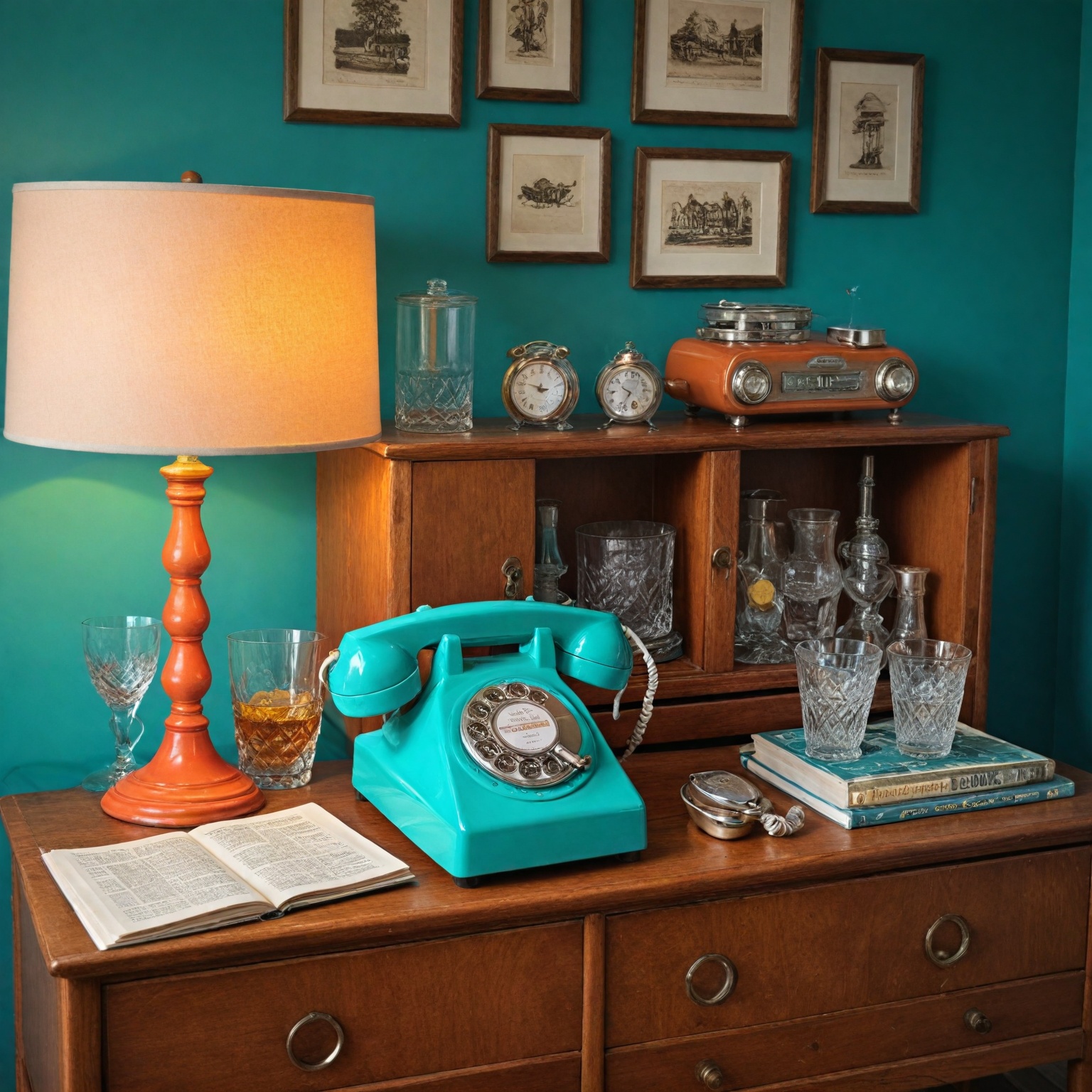
Vintage household items—typically under 100 years old—have gained market value due to craftsmanship, nostalgia, and sustainability trends. Popular categories include mid-20th-century Pyrex ovenware, classic cell phones, barware, stereo equipment, luxury watches, and antique books. Demand is driven by economic cycles, shifting tastes, eco-conscious Millennials and Gen Z, nostalgia, and online marketplaces facilitating broader access. These items’ worth depends on rarity, condition, provenance, and craftsmanship, though challenges remain in authentication and fluctuating demand. Vintage items appeal to consumers seeking unique, sustainable alternatives to mass-produced goods, fostering a dynamic market.
“Vintage” generally denotes high-quality items less than 100 years old, distinct from antiques. Such items often feature superior materials and craftsmanship, with growing interest fueled by sustainability and nostalgia. Economic factors and changing preferences influence demand, with prices for pre-1950 items stabilizing after past fluctuations, indicating a resilient market.
Key Vintage Household Items with Rising Values
Five notable categories have recently appreciated in value, driven by rarity and collector interest:
- Vintage Pyrex Ovenware: Mid-century patterns and rare backstamps from Corning Glass Works command high prices, especially limited runs and early production pieces.
- Classic Cell Phones: Early models like the Motorola DynaTAC and 1990s flip phones attract collectors for their technological significance and nostalgia.
- Vintage Barware: 1950s–60s cocktail sets and Art Deco designs are sought after, with full sets and good condition increasing value.
- Vintage Stereo Equipment: 1970s turntables and receivers are popular among vinyl enthusiasts, with full HiFi sets fetching premium prices.
- High-End Watches and Antique Books: Luxury watches with complex features from brands like Rolex and Patek Philippe, along with rare books, are highly valued based on condition and provenance.
Market Dynamics and Consumer Trends
Value surges stem from economic cycles, eco-conscious younger consumers favoring resale for sustainability, and nostalgia linked to formative years. Popular culture and retro trends influence demand, with design preferences cycling through decades (e.g., rising 1920s styles, declining 1950s). Inflation and economic pressures encourage budget-conscious shoppers to choose vintage as affordable or investment options. Online and local marketplaces expand access, supporting a robust market shaped by these interconnected factors.
Condition, Quality, and Authentication
Item condition—including age, wear, and maintenance—greatly affects value, with poor condition requiring formal appraisal. Quality is assessed through craftsmanship and materials to differentiate genuine pieces. Authentication is vital, especially for high-demand collectibles, to avoid counterfeits; professional services provide trusted verification. Combining these evaluations helps maintain collection integrity and accurate valuation.
Demographics and Demand Drivers
Demand is led by eco-conscious Millennials and Gen Z who prefer sustainable resale over fast fashion, fostering strong brand loyalty. Economic pressures boost secondhand purchases among families seeking value. Seasonal spikes occur in college towns and regions with young consumers, while suburban and rural areas favor practical thrift shopping. Nostalgia and personalized shopping experiences also drive consistent vintage purchases, with social media amplifying trends and sales.
Sales Channels for Vintage Items
Vintage household items are sold through diverse channels:
- Online Marketplaces: Platforms like eBay, Facebook Marketplace, and Craigslist support broad and local sales, while curated vintage sites offer specialized selling with commission fees.
- Specialized Platforms: Niche sites focus on categories such as apparel (Poshmark) or electronics (Decluttr), often providing pricing tools and local pickup options.
- Local Consignment and Thrift Stores: In-person sales remain popular, especially for high-end or vintage goods, with some stores purchasing items outright.
- Online Auctions and Estate Sales: Auction houses offer venues for rare or valuable items via estate and liquidation sales.
- Emerging Communities and Live Sales: New platforms foster interactive live sales for collectibles, connecting sellers directly with engaged buyers.
Preservation and Restoration
Maintaining vintage items’ value requires proper care, gentle cleaning, and restoration when appropriate, especially for cosmetically damaged but desirable pieces. Restoration can enhance appeal and market worth, as seen with collectible lunch boxes and similar items. Using materials suitable for the item’s age is essential to preserve authenticity and condition.
The content is provided by Jordan Fields, Gear Shift Zone