5 Key Tips for Shopping at Furniture Liquidation Warehouses: Maximize Your Savings
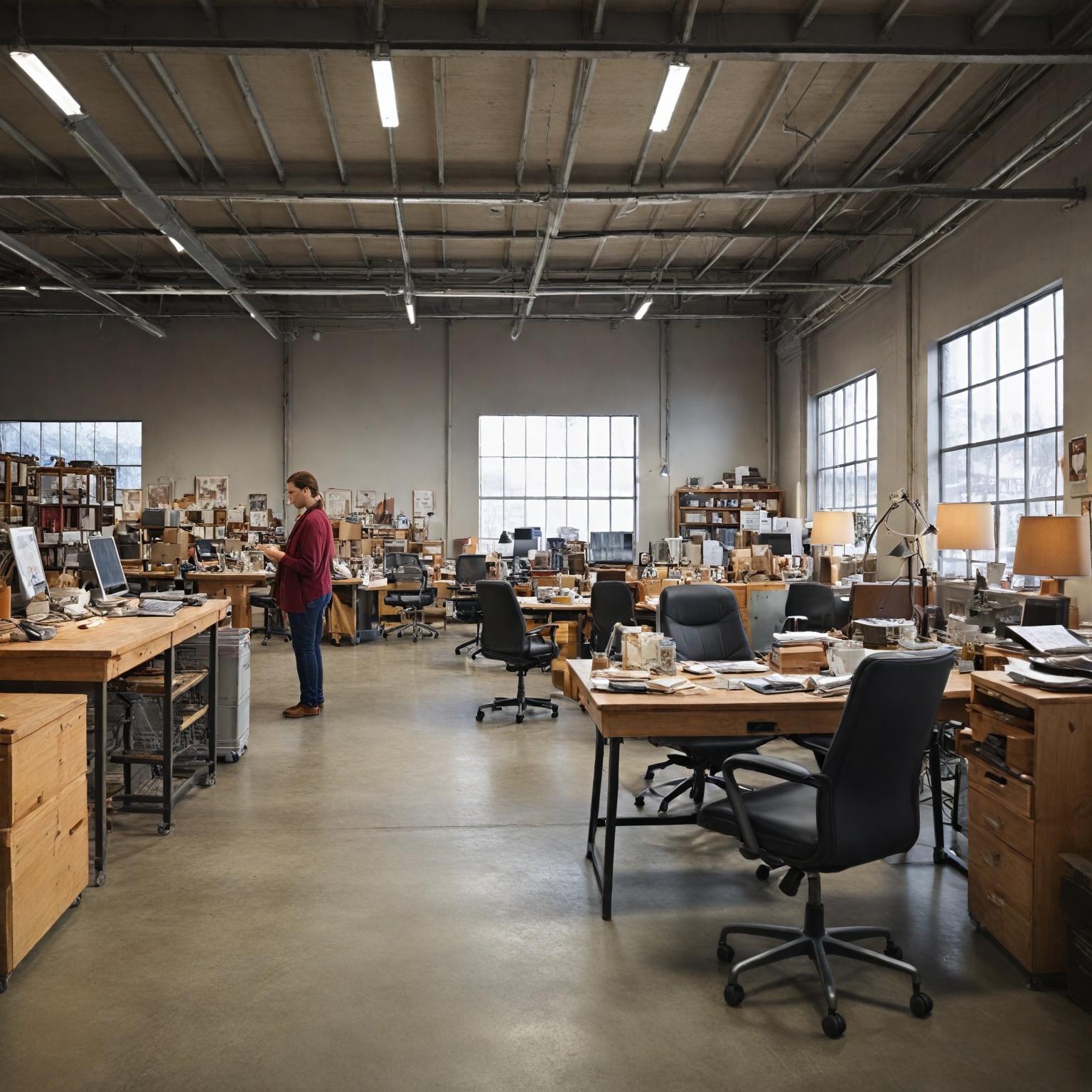
Highlights
- Discover quality furnishings at unbeatable prices in furniture liquidation warehouses.
- Make informed purchases to maximize savings and support sustainable consumption practices.
Overview of Furniture Liquidation Warehouses
Furniture liquidation warehouses sell excess, overstocked, discontinued, or gently used furniture and office equipment at discounted prices. Inventory often comes from business closures, remodels, foreclosures, or corporate upgrades. These warehouses offer a variety of items, including office desks, chairs, and home furnishings, with quality depending on the source and condition.
Shoppers can find stylish, durable pieces at a fraction of retail cost, appealing to budget-conscious and eco-friendly buyers. However, potential issues include outdated stock, minor damages, or counterfeit products, making careful inspection essential. To maximize benefits, buyers should research prices, inspect items, act quickly, negotiate when possible, and consider logistics such as shipping or local pickup. Despite some drawbacks, these warehouses provide affordable, quality furniture while promoting sustainable reuse.
Shopping Tips and Strategies
Before purchasing, research warehouses specializing in desired furniture types and compare market prices to identify bargains and negotiate effectively. Inspect items thoroughly for quality and possible damages, and check for warranties or guarantees. Inventory moves quickly, so prompt action is necessary to secure deals. Timing purchases around sales or new stock arrivals can yield better prices.
Consider shipping costs, which may reduce savings, and explore local pickup options to avoid extra fees. Setting a budget, using filters to narrow searches, and employing price comparison tools help maintain control over spending. Signing up for discounts and checking for coupons further reduces costs. Combining liquidation buys with existing furniture can maximize budget flexibility. Online liquidation auctions also offer deep discounts on overstock or returned items through platforms like B-Stock.
Benefits and Challenges
Furniture liquidation warehouses provide significant cost savings and support environmental sustainability by extending the lifecycle of furniture through resale. They offer a diverse selection, including modern styles and overstock or slightly damaged items sold at reduced prices. Limited operating hours help reduce overhead, enabling better discounts.
However, challenges include potentially outdated inventory and the risk of counterfeit items, requiring buyers to verify authenticity and prices. Warranty options may be costly and not always worthwhile, so evaluate their value carefully. Item condition can vary, with minor imperfections possible due to handling or photography discrepancies. Some warehouses offer price-matching policies for added buyer protection.
Understanding the liquidation process, including resale, donation, recycling, or disposal of unsold goods, is important. Responsible warehouses emphasize reuse and environmental care, but buyers should inquire about product origin and condition to ensure quality purchases. By staying vigilant and informed, shoppers can mitigate risks and enjoy substantial savings without compromising quality.
The content is provided by Sierra Knightley, Gear Shift Zone