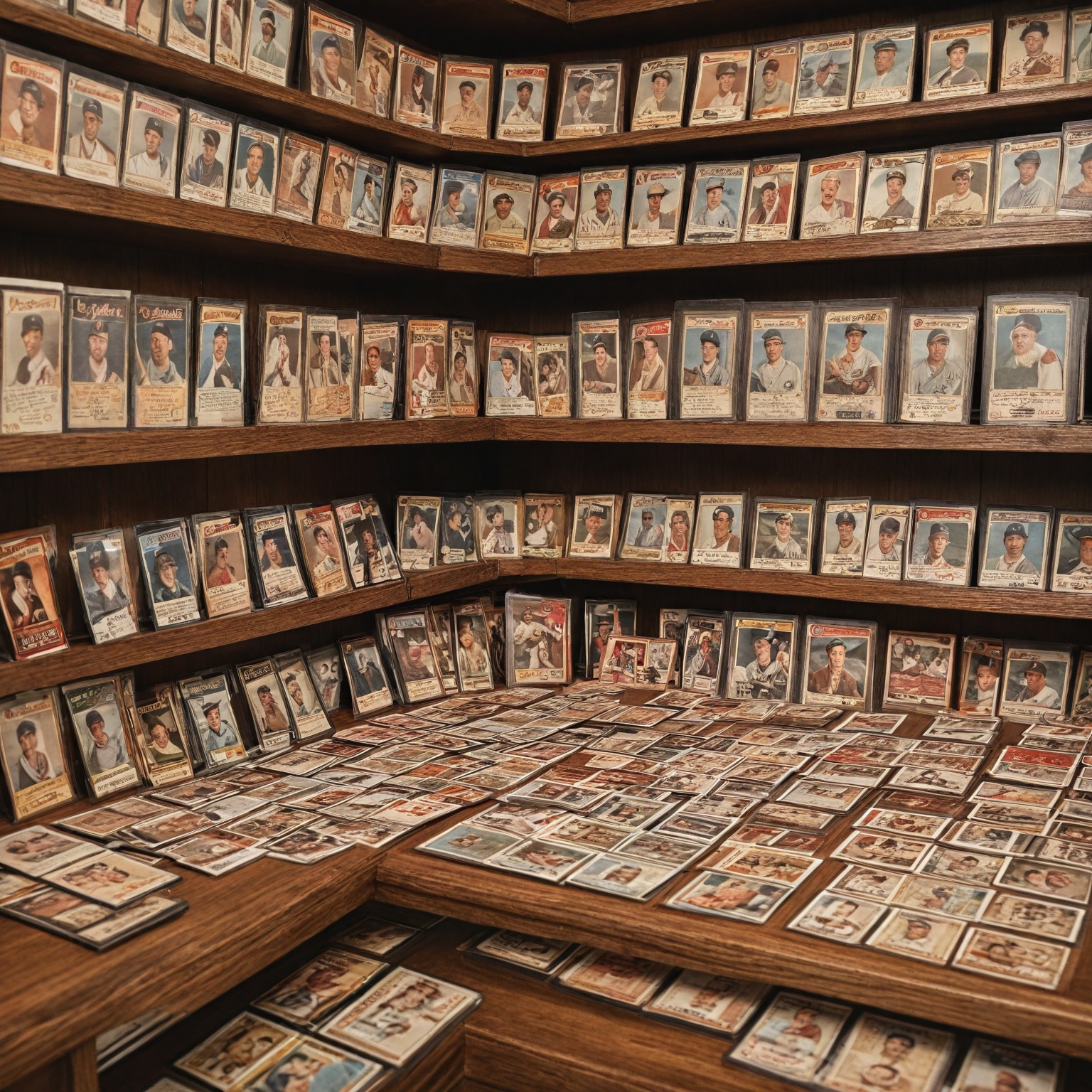
Highlights
- The 2025 baseball card market combines vintage rarity with innovative modern designs and investment potential.
- AI-driven grading technologies are transforming card authentication, enhancing both buyer confidence and market accessibility.
Summary
The 2025 baseball card market blends historical reverence with modern innovation, featuring rare vintage cards like the Honus Wagner T206 and 1952 Topps Mickey Mantle alongside valuable modern cards such as the Shohei Ohtani short print and Paul Skenes rookie patch. Professional grading services, including PSA and emerging AI-driven graders, play key roles in authenticating and preserving cards, influencing values. The market is shaped by younger collectors, technological advances, and globalization, while facing challenges in accessibility and grading controversies. AI grading offers potential improvements in fairness and reliability.
History and Valuation of Baseball Cards
Baseball card collecting began in the early 20th century, initially as tobacco company promotions. Iconic sets include the T206 series featuring the rare Honus Wagner card, and the 1933 Goudey Babe Ruth cards. Advances in printing enhanced card quality over time, with the 1980s introducing new designs and customization. Card value depends on condition, rarity, player popularity, and attributes like centering and autograph authenticity. Grading companies PSA, BGS, and SGC provide standardized assessments, increasingly supplemented by AI-driven grading to improve accuracy. While grading increases value, it may not be cost-effective for all cards.
Top Baseball Cards and Market Trends in 2025
In 2025, valuable cards include the Shohei Ohtani short print and Black Foil parallel from the 2025 Topps set, with extreme scarcity and autographs driving demand. Paul Skenes rookie patch cards have also fetched over $1 million. Vintage cards like the 1952 Topps Mickey Mantle and 1933 Goudey Babe Ruth remain highly prized. The market sees rising collector spending and transaction volume, boosted by younger generations’ interest and technological innovations like AI grading and trading card vending machines. Personalization and retro-themed products maintain strong appeal, despite challenges in affordability for entry-level collectors.
Economic, Cultural Influences, and Market Outlook
Baseball card values are influenced by economic cycles, player performance, and cultural trends. Younger collectors drive renewed interest, though rising costs may limit accessibility. Global expansion introduces new demand beyond traditional markets. Technological improvements enhance card quality and grading reliability. Environmental sustainability gains importance among collectors and manufacturers. The evolving grading industry, including AI advancements, remains central to market trust and pricing, supporting a dynamic and transparent trading card economy.
Collectors, Auctions, and Preservation
Collectors value baseball cards for their history and sentimentality, with some dealers emphasizing fairness and integrity. Customizable cards and retro reprints expand the hobby’s appeal. Auctions highlight rare cards, often setting record prices. Preservation and authentication by grading companies are vital, with cards sealed in tamper-evident holders to protect condition and assure authenticity.
The content is provided by Sierra Knightley, Gear Shift Zone